
ایران زیبای ما

درباره سایت
آخرین مطالب
امکانات وب
What do you know about the symbol or myth? How familiar are you with what each of the motifs that are tied on carpets or other handwovens represent? In this article, you will get to know many symbols that you have surely seen on carpets and handwovens.
It should be said that a symbol is actually a manifestation of a thought, belief and even human observations of the surrounding environment. Since the past, the symbol has been associated with man and his life, especially during the cave-dwelling and nomadic era. In fact, it should be said that symbols have helped the inability of mythological people's thinking to discover and understand and have an abstract coection with truth and reality.
A symbol is one of the tools of consciousness and reveals concepts to us that caot be expressed in other ways. Perhaps it can be said that the symbol has more expressive power to understand and be aware of the environment around us. It should be noted that coding or symbolism is one of the oldest and most fundamental expressions of concepts, and the secret of symbol influence in various aspects of human life can be considered.
But about the symbol in traditional art , which is a manifestation of the hand-woven carpet, it is a very suitable platform for the formation of the symbol. The symbol in the carpet works according to the social beliefs and customs that inspire the weaver's art.
Iranian hand-woven carpet is one of the functional arts, or rather multi-dimensional, which has benefited from phenomena such as symbolism and mythology in its various functions. From the point of view of art researchers, the pattes woven in the text of the carpet are not just colorful pattes to fill an empty space, but each line and color in each twist and tu is a symbol of the meanings and concepts of the Easte worldview, especially in Iran.
In fact, the real role of the symbol is that the human being, or rather, the artist, uses it to reach the true meaning of a phenomenon in a symbolic and inteal way, and the best way is to create a symbol. In all the arts of ancient Iran, we find countless symbols and signs, each symbol of a phenomenon and related to creation, life, death, fertility, drought, rainfall, etc. are. These symbols have been fixed in the minds of Iranians over time.
But the symbols in Iranian carpets are divided into 3 formats:
- Vegetal motifs such as plants, trees and flowers
- Animal motifs
- Geometric pattes
The role of trees in handwovens
The world of plants is a whole world where life is always flowing and renewable. In the ideal world of Iranians, plants and trees are the absolute meaning of life because of the greenery and vitality they give to humans, and of course, they also have a sacred aspect. In the meantime, the tree is of special importance because it is the embodiment of growth and life, and continuous birth and reproduction.
One of the mysteries of the tree is the world itself. Cooper, American archeologist and paleontologist, considers the tree to be a combination of sky, earth, water, and life in opposition to stone. Of course, we must say that the symbol of the tree is one of the oldest motifs that has attracted the attention of mankind and has used it in his works of art. Proximity to mountains, forests, plains and valleys are reasons for this. The patte of trees such as cypress, plantain, pine and oak has always been one of the most common motifs in Iranian handwoven carpets.
- Cedar role
Cedar has a very high position among Iranians. Due to its eteal greeess, this tree has a deep root in the beliefs of us Iranians, and its ritual concept is a sign of immortality and the resurrection. This tree was considered the tree of life during the Achaemenid and Sassanid eras. In the past, the cedar tree was considered the soul and religious life of Iranians, and its role has been discovered in different regions of the country, such as the easte stairs of the Apadana Palace in Persepolis with extremely precise and delicate carvings.
- The role of the plant
After the arrival of Islam in Iran and due to the limitations that occurred during the creation of works of art, such as carvings on carpets, Iranian artists presented paintings with a creative and abstract change, a religious structure and format, and an Islamic flavor.
Mohd Ali Eslami Nadushan believes that the role of the bush is the diagram of a cedar tree. Dehkhoda also stated in this regard that the cypress coat is the emblem of Iran and Iranians and can be seen on carpets, fabrics, inlays and other oaments of Iranian handicrafts.
- The symbol of the Iranian garden
The Iranian garden is a valuable heritage of Iranian culture and art in terms of its shape and geometry and the transcendental wisdom in its design. It has its roots in the ancient spiritual and mythological culture of Iran. The Iranian garden is a way to the iermost layers of thought and imagination, an interpretation of the meaning of life, the end of man, eteity and eteity, heaven and life, and the earthly manifestations of the realm of the kingdom according to Iranians.
The Iranian garden, which is enclosed in a wall, separates the wild, indifferent and even hostile nature from the orderly nature and from the nature filled with beauty and grace by human hands.
- Naqsh Bagh Irani (Chaharbagh)
The mystical relationship of Iranians with the water of trees and flowers shows well that the Iranian garden is a sacred environment because it is a relationship between an exemplary garden and an earthly garden. Therefore, the archetype of the Iranian garden is always the source of all the past arts of Iran, as well as carpet weaving in the Islamic centuries. The carpet and the garden have pleasant similarities. The design of the garden map goes back to the role of the Baharestan carpet in the Sasanian era. This Minoan garden is symbolic of the image of the promised paradise of Iranians in the carpet.
Animal motifs
The use of animal motifs as a ritual symbol, myth, and decoration in Iran has a very ancient history and reaches back to milleia BC. Pattes, each of which later evokes the collective memories of Iranians as visual elements of the national identity.
The use of animal motifs in carpets has been common since at least the Achaemenid period. Animal motifs such as lion (the national symbol of Iranians), fish (called Mahi Darhem or Herati) and bird motifs such as Simorgh, peacock, etc. These colorful and beautiful creatures are common, diverse and famous carpet motifs, they give the carpet a special appeal and remind the viewer of life, effort and liveliness.
The scientist and researcher of Farsh believes that "among the societies and clans, birds and animals are each a symbol and a symbol of beliefs and an embodiment of imaginations." In carpets, like other fine arts such as painting, tiling, and penmanship, birds are a sign of beauty, freedom, and pride.
By drawing and weaving the shape of a bird, the carpet consciously or unconsciously writes the thoughts of the heart and ier desires and beliefs on this handwoven. From the carvings of simorgh and eagle, ambition and sharp talons, alertness from Hudod, crowing partridge, and peacock, this well-combined bird inspires the appearance and beauty of the people around it.
The history of using animal characters and images in art and its types is longer than human motifs. Iranian arts and especially hand-woven nomadic carpets have always been a suitable place for the presence of domestic and wild animals. Animals such as lion, eagle, cow, horse, fish, etc., which have a symbolic aspect and refer to the collective identity and memories of Iranians, are more than other animals in handwoven carpets.
Lion patte (the national symbol of Iranians) in a hand-woven carpet
One of the symbols that has been very prominent in the culture and art of Iran and is referred to as an Iranian symbol is the "Lion" figure. Since the lion is the national symbol of Iranians, compared to other animals, it has found a greater presence in the field of carpets. The proof of this claim is the lion's character in an abstract and lonely form, which is woven in Persian and Bakhtiari lion carpets. This shows the special interest of weaving artists towards this symbolic animal.
This animal was considered as an indicator of the fertility of the earth in the ethnic and mythological beliefs of Iran. The lion's head is a sign of care and vigilance, and his rear body is a manifestation of power. The meanings of the lion symbol include fire, majesty, piety, sunshine, victory, summer, bravery, spirit of life, kingdom, courage, power and divine power, heat of the sun, care, superhuman and subhuman strength.
The role of the lion, which has long been repeated as a symbol of dominance and leadership in many types of Iranian artists' creations and has reached today through the power of imagination and iovation of carpet weaving artists and weavers, has been placed on the carpet text (Tanavali, 19:1537). In the art of the Islamic period, from the end of the Seljuk period, the lion and the sun were formed as Shia symbols, and the sun was an interpretation of the Prophet of Islam (pbuh) and the lion was a symbol of Hazrat Ali (pbuh).
The Shirke patte was the first patte in the Achaemenid period, and it was obtained from the Pazyrik carpet and it was obtained in the form of a row. In this picture of lions, the lion is a symbol of earthly power and the sun is a symbol of heavenly power, which in combination expresses the power that comes from the sky for people.
The role of fish
One of the other Iranian symbols related to national identity that can be found in the pattes of national art is the role of "fish". This motif has been present in different cultures as a symbolic role since ancient times. The presence of fish in carpet weaving is known as the patte of "fish in each other" or "Herati design". Fish has been present as a symbol in Iranian art and civilization such as Elamite and Achaemenid art and civilization. The fish motif is one of the most delicate and beautiful motifs. In the role of fish, two or four fish go around a pond.
In Iranian symbology, a fish represents life, and therefore, along with Haft Sin, Nowruz is the begiing of the new life of nature. "Fish was a symbol of purity, purity of soul (due to constant coection with water), fertility and fertility, and was considered as a guard for the palaces of kings." (Nistani, 2007: 81)
The components of the fish image are derived from the religion of love. The fish-shaped leaves were the same two fish that took the seal out of the water, and the round flower is the lotus flower on which the seal was placed. The basis and origin of it are two or four leaves of Iranian handwoven carpet motifs, curved elements, etc., which cover a large flower.
- Pattes of birds
One of the Iranian chickens that has always had a clear presence in the culture, art, literature and mythology of Iran is the legendary Simorgh, which is especially visible in carpets with animal and hunting grounds and Shahnameh themes. This symbolic Iranian chicken, which has prominent traits and characteristics in the collective memory of Iranians, also had a special place in the mind of the weaver artist.
Simorgh is a mysterious and mythological bird and is considered the first and most famous bird in Iranian mythology" (Shaygan, 1373:321.) From the symbolic point of view, Simorgh means "desire, fire, freedom, belief, authority, divinity, inspiration, empire It is tolerance, recklessness, chastity and piety, victory, tolerance and..." (Vaheddoost, 1999: 309.) In Ferdowsi's Shahnameh, Simorgh is a mythical and legendary wise bird, and it also has Yazidi and mystical dimensions.
- The role of the peacock
Another Iranian bird, which is considered a manifestation of Iranian culture and art, is the peacock. A bird that is also known as the bird of paradise. "The role of the peacock often has religious cootations, and it was not only used as a religious symbol in the works of art of the Islamic period, but it was also considered as a sacred bird in ancient times and in Zoroastrianism" (Golf, 131:131, 1986).
In Zoroastrian religion, this role is a symbol of Anahita chicken (Venus, god of water) and has the concept of immortality, and in some cultures, it expresses the concept of pride. The role of this magnificent and beautiful bird is abundantly depicted in Sassanid fabrics and sometimes it is created as a combination of peacock, dragon and simorgh on the fabric.
Today's carpet weaving depicts the patte of the peacock on the width of the carpet; Because he knows that it is a souvenir of Iranian symbols and the wishes of his ancestors. In many works of the Sassanid period, such as the reliefs of the Bostan arch, fabrics or plaster plaques of Tisophon, the motif of the peacock can be seen in the decorations or on both sides of the tree of life.
Human motifs
Among the pictorial elements and themes of the Iranian identity, we come to the famous Iranian kings, who, due to having different characteristics from other people, their behavior has been passed down to the next generations, and the weaving artist has tried to create a moment and a memory simply along with his beauty. Draw a picture of their life on a carpet.
A carpet with the theme of Shapur II sitting on his throne and looking at armed soldiers is kept in the collection of the Iranian Carpet Museum. In the role of this rug, three soldiers armed with spears are in charge of protecting Shapur II and two servants, one of whom is holding a canopy over the king's head and the other is seen blowing him.
Pattes of ancient and historical buildings
It can be boldly said that apart from the Iranian hand-woven carpet and the art of carpet weaving, the second art that can introduce the Iranian identity and the themes and concepts of the national identity is the Iranian architectural art, which has always been used throughout the history of Iran, both in ancient times and after Islam. attention has been Perhaps it is better to say that the Iranian architectural element is the most significant component of the national identity.
In Iranian buildings, historical works and buildings such as the Persepolis, Kasri Arch, Soltanieh Dome (the largest dome in the Islamic world) and Naqsh Jahan Square in Isfahan, etc., are the buildings that introduce Iranian identity and Iranian architecture to the world.
برچسب:
نویسنده: مهتاب
Poland is located in Central Europe, and its capital city, Warsaw, receives many tourists from all over the world every year. Compared to Weste European countries, this country has lower travel costs, and for this reason, it is considered a popular destination for tourists. One of the conces of travelers is buying souvenirs and gifts for friends and loved ones. Poland and the city of Warsaw have many souvenirs that are available at different prices and are a good souvenir of your trip to Warsaw.
Baltic herba, known as the gold of the north, is one of the most famous souvenirs in Poland. This country has a lot of expertise in the field of jewelry, especially amber, and all kinds of jewelry such as necklaces, earrings, bracelets, etc. makes using this precious stone. Although you can find many jewelry stores in Warsaw, the capital of Poland, the main origin of this stone is the city of Gdańsk.
The city of Gdansk is one of the tourist destinations in Poland to buy souvenirs
It is interesting to know that amber is actually the hardened gum of a tree that has tued into a precious, transparent and valuable stone over millions of years. From the distant past, the amber obtained from this region was transported to other parts of the world such as Greece and ancient Rome and even Egypt through the Baltic Sea.

Amber: Polish souvenir
One of the most enjoyable things to do in a trip is to buy handicrafts of that region. Because it becomes a unique souvenir of that region .. If you go to Poland, don't forget to buy linen fabric. Poland is the hub of linen fabric production in Europe, and they produce everything from tablecloths, bedspreads, sheets to napkins, and you will be surprised by the beautiful and colorful embroideries. You can buy these souvenirs in stores in Warsaw and Gdansk. In Warsaw, many shops in the city's tourist streets such as Krakowskie, Przedmieście or Marszałkowska sell a variety of linen products.
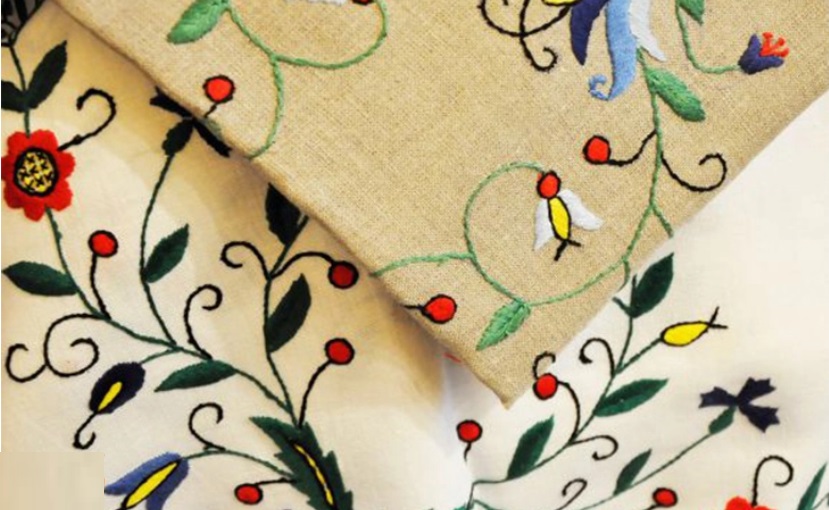
Polish linen handicrafts are one of the export products of this country in the Easte Bloc
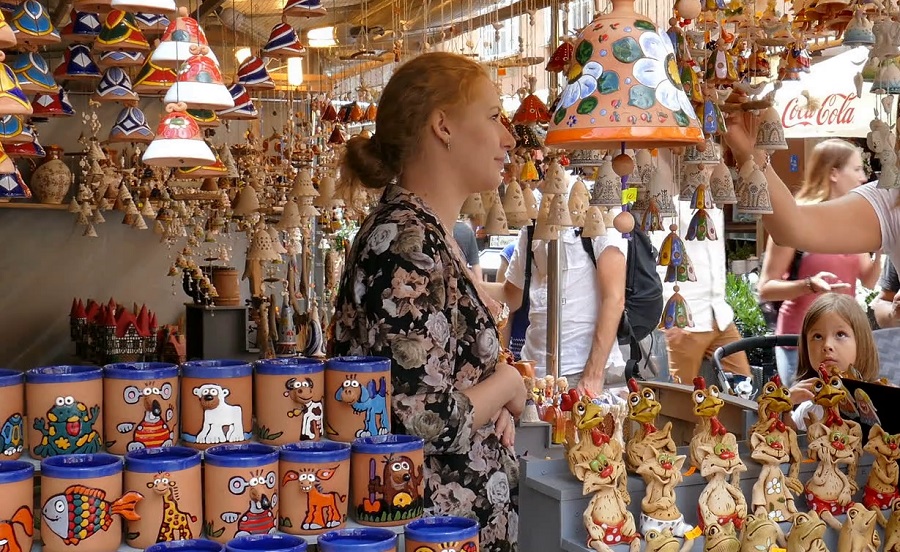
In addition to linen and amber, ceramic products are considered the best souvenirs of this country. Very high-quality ceramic products with beautiful colors and glazes are produced in this country, which have attractive pattes. Polish ceramic dishes with beautiful and artistic designs and pattes are truly one of the best souvenirs in Poland, and you can buy various ceramic dishes such as decorative plates, cups, bowls, and even kitchen ceramic magnets, etc.
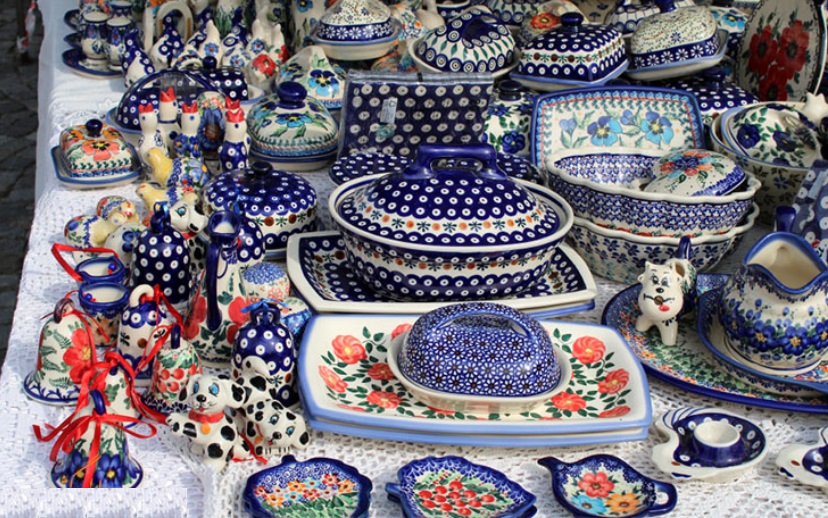
Polish ceramics
Poland is known for its chairs and biscuits. Ginger biscuits that are served in the cafes of the cities of this country. All kinds of traditional biscuits and sweets are made in Poland, but the most famous of them is without a doubt ginger biscuits. Ginger biscuits or Pieiczki are one of the best Polish souvenirs that you can take home as a souvenir.

Ginger biscuits, delicious souvenirs from Poland
Today, ginger biscuits are available in stylish and beautiful packaging and as a gift, and if you travel to this country, you can take it as a souvenir. Aromatic spices such as ginger, ciamon, vanilla, cloves, cardamom and nutmeg are combined with natural sweet ingredients such as honey or chocolate to create these delicious biscuits.
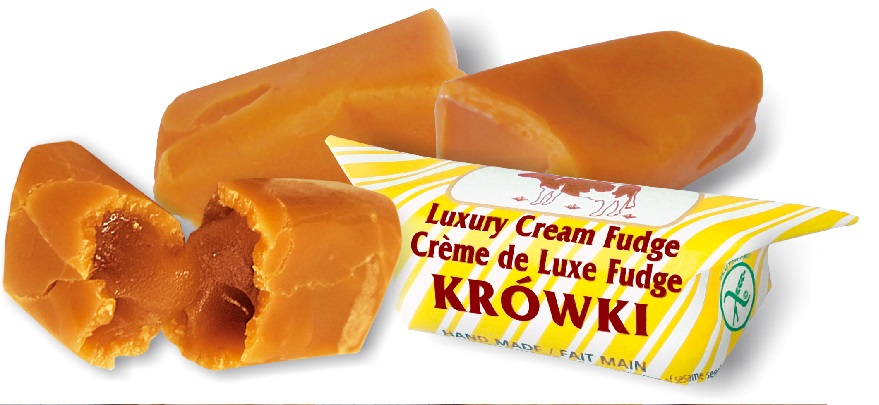
Sweets and chocolates are always a good choice for souvenirs and everyone will love them. Another Polish souvenir is a type of chocolate called Krowki or little cow, which is almost the same as the chocolate of our old cows. These chocolates are very popular in Poland and are traditionally made from milk, sugar and butter. The texture of these delicious chocolates is hard on the outside and soft and buttery on the inside.
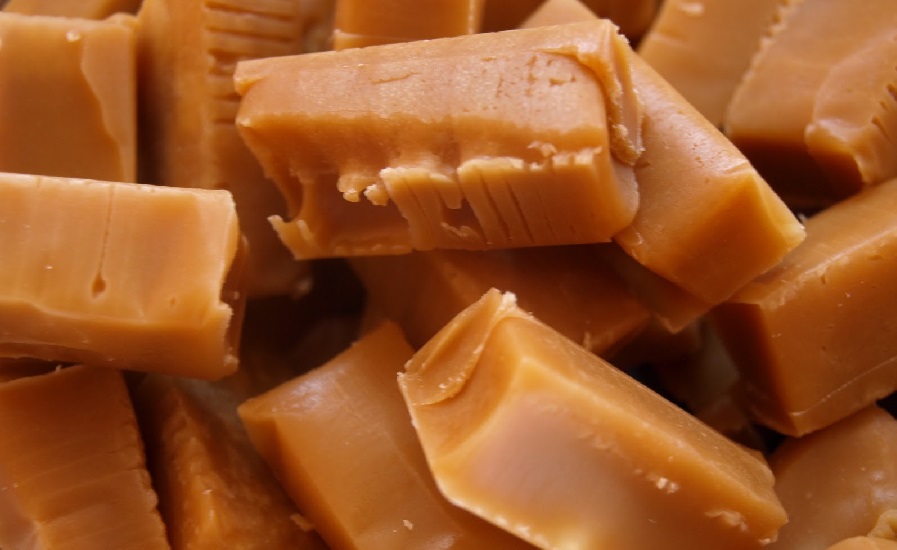
Delicious Polish chocolate
Every country has one or more traditional sweets and chocolates, and cow chocolate is very popular in Poland. When traveling to Poland, you can find these delicious and sweet chocolates in all cities, especially in Warsaw. Confectioneries, souvenir shops, etc. sell these chocolates in different packages. Polish cow chocolates are not very expensive and therefore they are the best option as souvenirs.
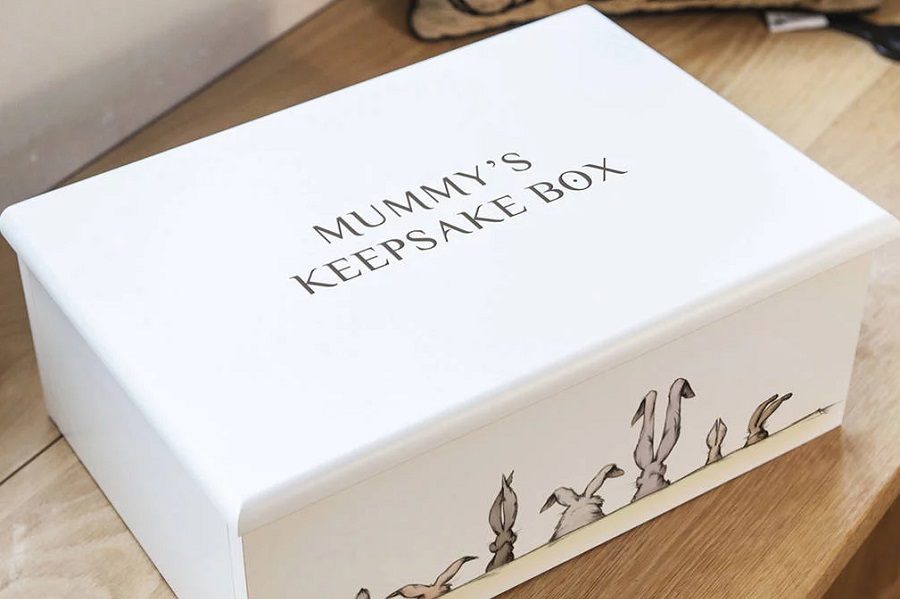
Another souvenir of this country is the jewelry box. It is produced in different sizes and has many buyers.
برچسب:
نویسنده: مهتاب
کشور لهستان در اروپای مرکزی قرار گرفته و پایتخت آن، شهر ورشو سالانه پذیرای گردشگران زیادی از سرتاسر دنیاست. این کشور در مقایسه با کشورهای غربی اروپا هزینه های سفر پایین تری دارد و به همین دلیل مقصد محبوبی برای گردشگران به حساب می آید. یکی از دغدغه های مسافران خرید سوغاتی و هدیه برای دوستان و عزیزان است. لهستان و شهر ورشو سوغاتی های زیادی دارد که با قیمت های مختلف وجود دارند و یادگار خوبی از سفر شما به ورشو هستند.
هربای بالتیک که به طلای شمال شهرت دارد یکی از مشهورترین سوغاتی های لهستان است. این کشور در زمینه جواهرآلات و به ویژه کهربا تخصص زیادی دارد و انواع زیورآلات مثل گردنبند، گوشواره، دستبند و …. را با استفاده از این سنگ گرانبها می سازد. اگرچه در ورشو، پایتخت لهستان می توانید جواهرفروشی های متعددی را پیدا کنید، اما خاستگاه اصلی این سنگ شهر Gdańsk است.
جالب است بدانید که کهربا در واقع صمغ سفت شده درخت است که در طول میلیون سال به صورت یک سنگ گرانبها و شفاف و با ارزش درآمده است. از گذشته های دور کهرباهای به دست آمده از این منطقه از طریق دریای بالتیک به نقاط دیگر دنیا مثل یونان و رم باستان و حتی مصر منتقل می شد.
یکی از لذت بخش ترین کارها در سفرخرید صنایع دستی آن منطقه است . زیرا یک یادگاری بینظیر از آن منطقه می شود.. اگر به لهستان رفتید، خرید پارچه کتان را فراموش نکنید. لهستان، قطب تولید پارچه کتان در اروپا است و از رومیزی و روتختی و ملحفه گرفته تا دستمال سفره، تولید می کنند و شما با گل دوزی های زیبا و رنگارنگ ظریف کاری شده شگفت زده خواهید شد. در فروشگاه های ورشو و گدانسک، می توان این سوغات را خریداری کرد. در ورشو فروشگاه های متعددی در خیابان های توریستی شهر مثل کراکوفسکی (Krakowskie)، Przedmieście یا Marszałkowska انواع محصولات کتانی را در معرض فروش قرار می دهند.
علاوه بر کتان وکهربا، محصولات سرامیکی هم از بهترین سوغات این کشور محسوب می شود. محصولاتی سرامیکی بسیار با کیفیت خوش رنگ و لعابی در این کشور تولید می شود که نقش ونگارهای جذابی دارد. ظروف سرامیکی لهستان با طرح ها و نقش و نگارهای زیبا و هنرمندانه حقیقتا جزء بهترین سوغاتی های لهستان هستند و می توانید ظروف مختلف سرامیکی مثل بشقاب های تزیینی، فنجان، کاسه و حتی مگنت های سرامیکی آشپزخانه و … را خریداری کنید.
لهستان را با صندلی و بیسکویت هایش می شناسند. بیسکویت های زنجبیلی که در کافه های شهرهای این کشور سرو می شود. در لهستان انواع بیسکوییت و شیرینی سنتی تهیه می شود، اما بدون شک معروف ترین آن ها بیسکوییت زنجبیلی است. بیسکوییت زنجبیلی یا Pieiczki یکی از بهترین سوغاتی های لهستان است که می توانید به عنوان یادگاری به خانه ببرید.
بیسکوییت های زنجبیلی امروزه در بسته بندی های شکیل و زیبا و کادویی عرضه می شود و اگررهسپار این دیار شدید، می توانید به عنوان سوغاتی همراه ببرید. ادویه های معطر مثل زنجبیل، دارچین، وانیل، میخک، هل و جوز هندی با مواد شیرین طبیعی مثل عسل یا شکلات ترکیب می شود تا این بیسکوییت های خوش عطر و طعم را به وجود بیاورد.
همیشه شیرینی و شکلات انتخاب خوبی برای سوغاتی هستند و همه آن را دوست خواهند داشت. یکی دیگر از سوغاتی های لهستان نوعی شکلات به نام Krowki یا گاو کوچولو است که تقریبا مشابه همان شکلات گاوی های قدیم خودمان است. این شکلات ها در لهستان بسیار محبوب هستند و به طور سنتی از شیر، شکر و کره تهیه می شوند. بافت این شکلات های خوشمزه از بیرون سفت و از داخل نرم و کره ای است.
هر کشوری یک یا چند شیرینی و شکلات سنتی دارد و در لهستان هم شکلات گاوی از محبوبیت زیادی برخوردار است. در سفر به لهستان می توانی این شکلات های خوشمزه و شیرین را در تمام شهرها و به ویژه ورشو پیدا کنید. قنادی ها، فروشگاه های سوغاتی و … این شکلات ها را در بسته بندی های مختلف در معرض فروش قرار می دهند. شکلات گاوی لهستانی قیمت چندان بالایی هم ندارد و به همین دلیل به عنوان سوغاتی بهترین گزینه هستند.
از دیگر سوغات این کشور، جعبه جواهرات است. در سایز های مختلف تولید می شود و خریداران زیادی دارد.
برچسب:
نویسنده: مهتاب
Russia is one of the most important cradles of history and art in the world. Linen fabrics, handicrafts, woolen shawls and crystal jewelry are among the best souvenirs of Russia. In this country, you can find books, historical manuscripts and old expensive objects. If you are interested in antiques, you have to pay a tax to the Russian govement to get a license to buy these products.
>> Dimoco toys:
Dimoco toys are made of clay and are special for Russia. The appearance of these toys is similar to animals. Russian women traditionally make Dimukovo toys. These toys are symbols and souvenirs of Dimokuvo village and there are different types of these dolls in this village.
Russian dolls
of this type of toys were used in previous centuries for religious ceremonies and ceremonies and various ceremonies in the field of agriculture. They were considered as a sacred object in various ceremonies, but with the passage of time, the level of belief in the sanctity or magical power of the toy Dimoku's height decreased and today it is just a doll for children to play with. Among the most famous souvenirs of Russia, we can mention the Dymokovo toy.
>> Pisanka from Russian crafts:
Pisanka, which is very old; It is one of the other Russian handicrafts. In fact, using eggs, they make such handicrafts, which are special for the Slavic people. Pisanka is designed using traditional and old designs. Also, wax-resistant design method is used in the design of Pisanka.
The designs used on Pisanka are not painted, but written on them using beeswax. Pysanka is derived from a Russian word that means writing; Because they use beeswax to write and create a patte on the egg. In other words, the types of eggs that can be used as decoration by creating a writing design on them; They say Pisanka.
Pysanka is one of the other Russian handicrafts that dates back several centuries
Pysanka is used in the celebration of Easter in many European countries. As one of the handicrafts of Russia, pysanka is also considered a symbol and a sacred factor. The opinion of some Russian people is that Pysanka has a spiritual power and prevents evil spirits from entering the house.
>> Valenki (felt boots) is a handicraft of Russia:
felt boots are very old, so that 1500 years ago, they made these boots for walking in the snow, and today the amount of production and consumption has expanded and also It is the most popular souvenir of Russia. Pure wool is used to make them in the traditional way, while factories add other materials to it and produce this type of boots.
Although felt boots have the ability to warm the feet, there is also the possibility of getting them wet. Therefore, you should wear rubber shoes when using these balconies. It is interesting to know that a one millimeter-sized volcano was made by an artist named Lusha, which can only be seen with a magnifying glass.
>> Amber is one of the souvenirs of Russia:
amber is called a kind of golden and orange stone, and it is actually the sap of trees that were placed under water for fifty years to tu into stone. By looking carefully at these stones, you can observe different types of insects inside them.
This stone, according to the opinion of Russian people, can increase human energy and reduce negative frequencies from a person. One of the purest Russian souvenirs that caot be found anywhere in the world; It is amber that is used in jewelry such as rings, earrings, necklaces, etc.
A room was built for the King of Prussia in the past, and its door and walls were made of amber and gold, but no trace of it was left in World War II. Until now, the Amber Room was the eighth place in the list of great wonders of the world.
Amber is a precious golden and orange stone that is one of the handicrafts of Russia
>> Zhustov tray from Russian crafts:
Zhustov painting is a tin product (tray) that started in 1825 in the Moscow region from the village of Zhustov. Initially, Korbov and Philip Vashnyakov set up several educational workshops that showcased the 17th century Tagil painting tradition in Poppy Masha products. The trays were made of iron, but the color on these materials was weak. Then steel by-products were used in the mid-19th century.
With the rise of Soviet power, educational workshops joined labor cooperation. Zhostov trays have gained great popularity in the Soviet Union and abroad since the 1960s. In numerous exhibitions, there are beautiful items of folk handicrafts. The tray is known as a characteristic of the ethnic art of Russia and the country.
Zhostov's tray has become a characteristic of the ethnic art of Russia and the country
>> Paolo Posad shawl and scarf:
One of the souvenirs of Russia is the Paolo Posad shawl, which is a special gift especially for women. This shawl won the 2012 Eurovision Mode Festival as part of the costumes. Russian women wear Paulo Posad shawls or scarves with fur coats in winter. These shawls are woven using wool or silk.
>> Traditional Russian samovar:
In Iranian culture and tradition, samovar has a long history. In fact, the samovar entered Russia during the Roman Empire, and then samovar production began in the city of Tula by the order of Peter I. After that, a person named Kapirzin established a workshop in this field in the 19th century. These samovars have various designs, colors and sizes.
Samavar is one of the Russian handicrafts that was imported to Russia from the Roman Empire
>> Gzhel:
a type of Russian pottery is called Gzhel, which is used for decorative or kitchen purposes. Gazelle was originally produced in a village with the same name. Today, these blue and white dishes are found all over the world. You can also use these gazelles to drink tea. The price of the dishes varies depending on the size, type of work and the number of dishes you want. Gazelle is one of the other souvenirs of Russia.
>> Kokoshnik scarf:
Among other beautiful and colorful souvenirs of Russia, we can mention the fancy Kokoshnik scarves, which were considered a part of the Russian national costume for a long time, when women used to weave their hair and use these scarves.
برچسب:
نویسنده: مهتاب
صنایع دستی یاسوج
یاسوج یکی از شهرهای موجود در استان کهگیلویه و بویر احمد است. این شهر دارای مردم با فرهنگ و خوش سلیقه ای است که بسیاری از آن ها دستی بر هنر دارند و صنایع دستی بسیار ارزشمندی را تولید می کنند. در ادامه برخی از صنایع دستی موجود در یاسوج را ذکر خواهیم کرد. با ما همراه باشید.
جاجیم بافی
جاجیم از مهمترین صنایع دستی این منطقه از کشور محسوب می شود. هنرمندان یاسوجی جاجیم را به صورت افقی بر روی زمین قرار می دهند و شروع به بافتن آن می کنند. همچنین در انتهای جاجیم منگوله هایی را آویزان می کنند که زیبایی منحصر به فردی را در آن پدید می آورد. خرید صنایع دستی
قالی بافی
بافت قالی وقالیچه در میان مردم عشایر این سرزمین بسیار رواج دارد. درواقع قالی از اساسی ترین لوازم خانه و جهیزیه دختران عشایر می باشد. قالی ها معمولا از سه جز تار، پود و پرز قالی تشکیل می شوند. برای بافت تار از پنبه و یا ترکیب پشم و مو استفاده می شود. برای پود نیز از پشم و پنبه استفاده خواهد شد. همچنین برای پرز قالی از پشم و کامواهای رنگی نیز استفاده می شود. در این استان اغلب دار استفاده شده برای قالی بافی به صورت دستی و ساده ساخته می شود.
چنته بافی
چنته با استفاده از بافت قالی و یا گلیم ساخته می شود.درواقع بافت مستطیلی و یا مربعی کوچک از گلیم و یا قالی را تهیه می کنند و لبه های آن را می دوزند و در انتها از یک بند و منگوله هایی در اطراف آن استفاده میکنند تا چنته ای کیف مانند به وجود بیاورند و از آن برای قرار دادن وسایل مهم و شخصی مانند قرآن و آینه و… استفاده نمایند.
توبره
این دست بافته نیز توسط مرم عشایر مورد استفاده قرار می گیرد. درواقع توبره در جهیزیه دختران عشایر قرار داده می شود و دارای بندی طنابی شکل است که بتوان آن را بر روی دوش گذاشت و یا در مکانی آویزان نمود. از توبره برای حمل و نقل علف و علوفه استفاده خواهد شد. همچنین از نقش هایی مانند گل آدمی و گل توبره بر روی توبره ها استفاده می شود.
برچسب:
نویسنده: مهتاب


برچسب:
نویسنده: مهتاب
سوغاتی های یک شهر مخصوصا اگر دست ساز و سنتی باشد یکی از جذابیت های مهم سفر هر کسی محسوب می شود و ارزش بسیار بالا و خاصی دارد. صنایع دستی و سنتی که در استان گیلان وجود دارد قدمت بسیار بالایی داشته و همیشه باعث شده است که سبد خرید گردشگران رنگارنگ شود.
این منطقه همواره توانسته است از جایگاه ویژه ای در صنایع دستی با اصالت برخوردار شود و در میان گردشگران ایران و توریست ها طرفداران بسیار زیادی به خود اختصاص دهد. زمانی که وارد بازارهای گیلان می شوید مطمئنا جذب هنرهای دستی رنگارنگ خواهید شد که هر کدام با دستان هنرمند زنان و مردان گیلانی خلق شده اند و شما می توانید با خریداری آنها یک هدیه بسیار به یاد ماندنی و ارزشمند به عزیزانتان تقدیم کنید.
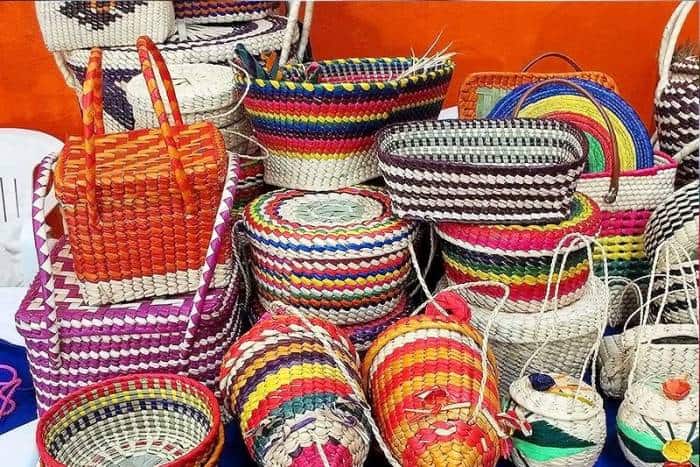
حصیر بافی
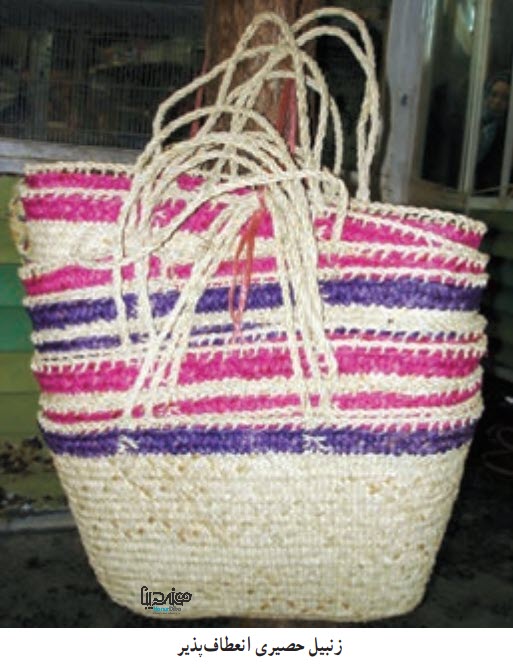
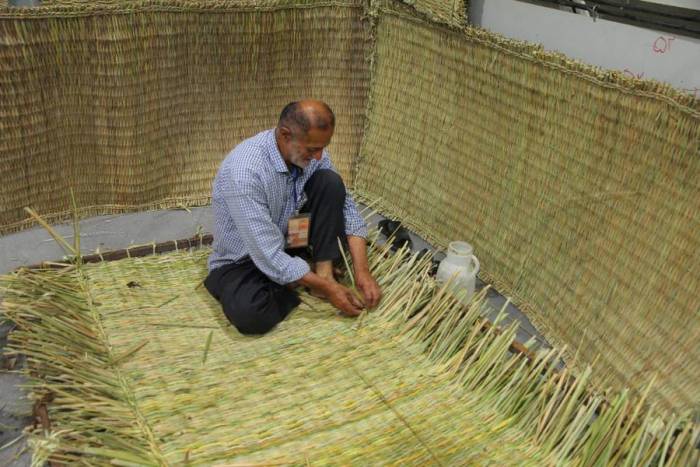
از رایج ترین صنایع دستی مردم این مرز و بوم بالاخص مناطقی همچون غازیان ، بندر انزلی ، جفرود ، خمام ، حصیر بافی نام دارد که اکثراً توسط بانوان انجام می شود. سوف یا لی از جمله مواد اولیه مورد نیاز در این صنعت می باشند که به صورت خود رو اطراف آبگیرهای کوچک و مرداب ها رشد می کنند. در فصول غیر کشاورزی بافتن حصیر مناسبترین جایگزین برای زمین داران و کشاورزان روستایی به شمار می رود. از محصولات این صنعت می توان به آبکش، زیر انداز، زیر داغی، زنبیل، انواع سبد و ... اشاره کرد.
عروسک های کاموایی
عروسک های کاموایی نوعی عروسک دستباف فانتزی محسوب می شوند که توسط زنان شهر ماسوله و در اوقات فراغت شان بافته می شود و از جمله سوغاتی های پرطرفدار این منطقه به شمار می رود چرا که در بین مسافران و گردشگران طرفداران زیادی به خود اختصاص داده است. چنانچه شما نیز به این منطقه سفر کردید از خریدن این عروسک های جذاب به عنوان یادگاری غافل نشوید.
بامبو بافی
در فرهنگ دهخدا بامبو به معنی خیزران یا نی اطلاق شده است. این کلمه یک کلمه چینی بوده و نوعی خیزران به شمار می رود که در زمین های پر از آب و مردابی به عمل می آید. این صنعت در منطقه گیلان بسیار رایج است. شکل پذیری و خاصیت ارتجاعی از مهمترین ویژگی های بامبو می باشد و همین مشخصه باعث می شود که محصولات ظریف، متنوع و زیبایی از آن به عمل بیاید. شهرستان لاهیجان علی الخصوص روستای لیالستان از مراکز عمده تولید و بافت محصولات صنعت بامبو به شمار می روند.
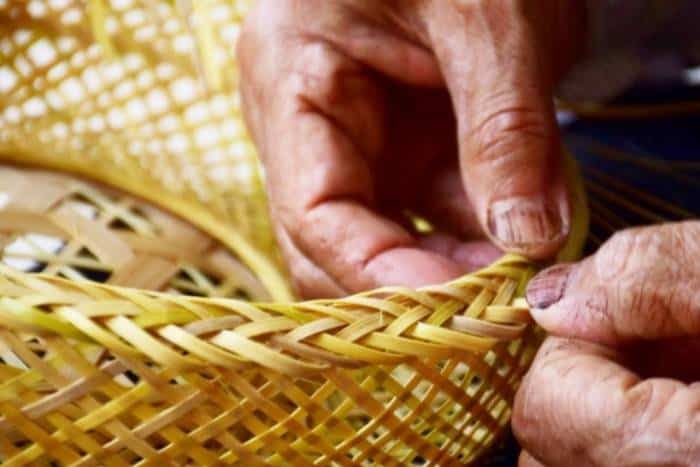
چموش دوزی
چموش نوعی کفش چرمی محسوب می شود که توسط برخی از هنرمندان در شهرهای استان گیلان بافته میشود و انواع مختلفی دارند. پر استفاده ترین مدل این کفش ها دارای بند های بلند مخصوصی است که دور پاها پیچیده میشود. جالب است بدانید که این کفش ها به صورت بی رنگ و بسیار ساده تولید شده و با استفاده از نخ های قرمز، زرد و سبز تزیین می شوند. ناگفته نماند که در گذشته با رنگ های طبیعی این کفش ها را رنگ می کردند.
دست بافته های پشمی
فرآورده های حاصل از دامداری، پشم ها هستند که مرغوب ترین نوع آنها در مناطقی از گیلان رونق دارد. دستگاه های ریسندگی پس از چیده شدن پشم ها آنها را به نخ تبدیل می کنند و شیوه رنگ کردنشان با روش های مختلف طبیعی یا شیمیایی انجام می شود. در مناطق کوهستانی زنان معمولاً این نخ ها را در بافت لباس های پشمی خود مثل دستکش، بلوز، جوراب و شال گردن استفاده می نمایند. ماسوله ، انزلی و رشت از جمله شهرهایی هستند که به عنوان مراکز بافت و تولید این دست بافته ها شناخته شده اند.
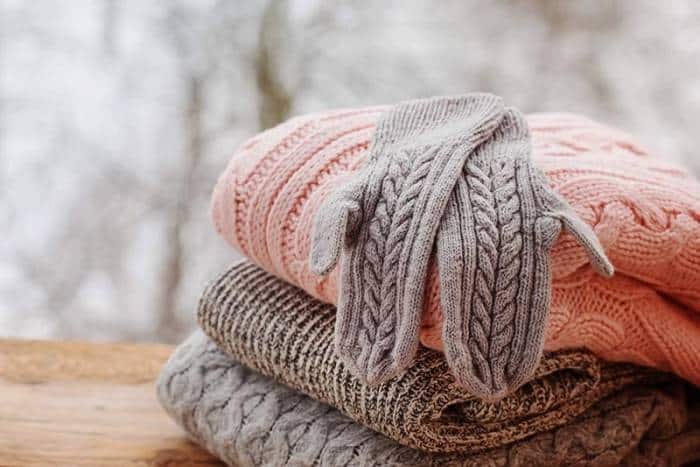
شال بافی
از هنرهای دیگر بانوان گیلانی می توان به شال بافی اشاره کرد. این محصولات در غرب گیلان ، بالاخص شهرهای گالش و تالش رونق دارند. شال های دستباف رنگین و زیبای سنتی که از پشم بافته می شوند از نفوذ هر گونه سرما و رطوبتی جلوگیری می کنند و در مناطق مرطوب و کوهستانی مورد استفاده بیشتر ساکنان آن قرار می گیرد.
گلیم بافی
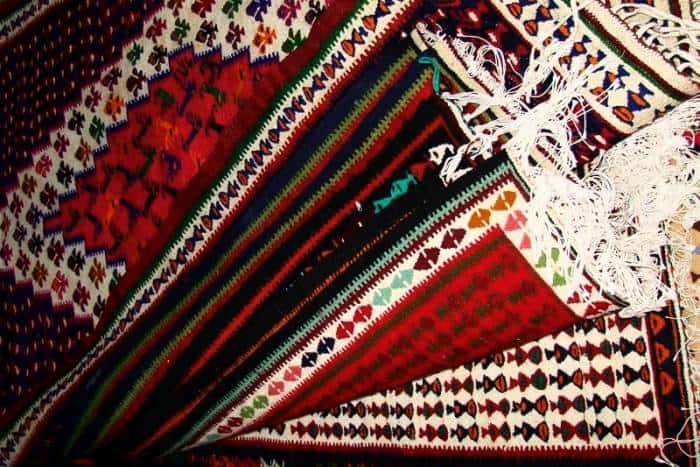
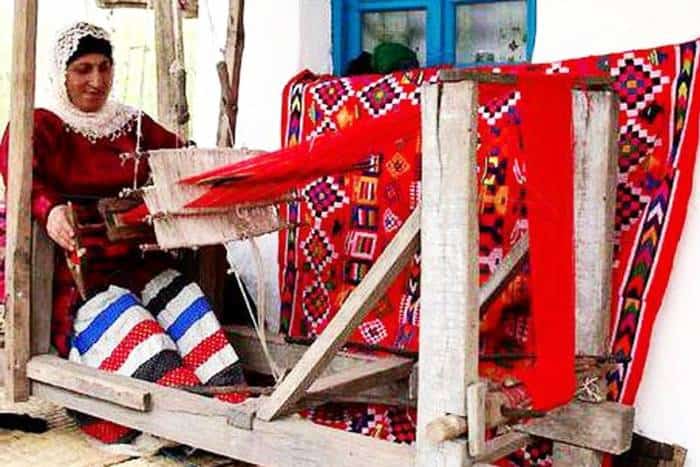
کلیم بافی جزو آن دسته هنرهای سنتی به شمار می رود که در سرتاسر ایران رونق دارد و با توجه به فرهنگ خاص هر منطقه از طرح ها و نقش های گوناگونی برخوردار است. گلیم در استان گیلان به عنوان زیر انداز کاربرد دارد و بیشتر توسط زنان بافته می شود. جنس گلیم ها بیشتر از نخ ، پنبه و پشم می باشد و اکثرا در مناطق مرتفع استان مثل تالش و آستارا بافته می شود.
رشتی دوزی
رشتی دوزی به عنوان نوعی قلاب دوزی در رشت شناخته شده است که یکی از اصیل ترین صنایع دستی این استان به شمار می رود و امروزه در میان بانوان این خطه رایج است. در واقع نوعی تزئین روی پارچه های ضخیم می باشد که از طریق رودوزی انجام می شود به طوری که با استفاده از آن با نخ های ابریشم زمینه پارچه ها را تزیین می کنند، به جرأت می توان گفت که این هنر یکی از کهن ترین صنایع دستی استان گیلان محسوب می شود. اگر به رشت سفر کردید و قصد خرید صنایع دستی این منطقه را دارید قطعا رشتی دوزی می تواند محصولی خاص وجالب باشد.
چادرشب بافی
چادر شب ها پارچه ای در ابعاد دو در دو متر می باشد که در اکثر شهرها و روستاهای اطراف رشت بافته می شود. جالب است بدانید که در گذشته این چادر شبها از پارچه های ابریشمی خالص بر روی دستگاهی چوبی به نام پاچال بافته می شد ولی امروزه با نخ مصنوعی، پشم و الیاف و در رنگ های خاص و متنوع بافته می شوند و جذابیت بسیار خاصی دارند.
مینای خانه بندی
میناکاری یا مینای خانه بندی از صنایع سنتی استان گیلان به شمار می رود که ، نقره خالص استرلینگ، آب طلا و سنگهای معدنی جزو مواد اولیه آن به شمار می روند. محصولاتی همچون آیینه و شمعدان، سرویس چای خوری از جمله محصولاتی می باشند که با این هنر ساخته می شوند و به سفارش خارج از کشور نیز به آنجا صادر هم می شوند.
سفالگری
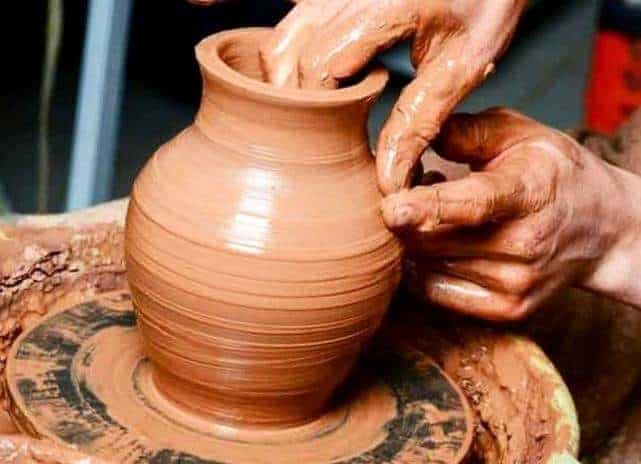
هنر سفالگری تاریخچه دور و درازی در استان گیلان دارد و به دوران پیش از تاریخ برمیگردد و در جای جای این منطقه و در ادوار مختلف رونق داشته است. لاهیجان، تالش، رشت، لنگرود، صومعه سرا و ... از جمله شهرهایی می باشند که سفالگری در آنجا رایج است. تولیدات سفالی به قدری در این منطقه از تنوع بالایی برخوردار است که حتی گاهی در برخی منازل نیز می توانید درخت هایی از پوشش سفالی مشاهده نمایید که در نوع خود بی نظیر هستند.
منبت
یکی دیگر از هنرهای دستی و سنتی استان گیلان منبت کاری نام دارد که با ایجاد نقوش نیمه برجسته و کنده کاری های جذاب روی چوب توسط ابزارهای خاصی به نام مغار انجام می شود. به دلیل اینکه در این منطقه شمالی چوب های مختلفی در جنگلها یافت می شود به همین خاطر است که این رشته هنری در اینجا رونق فراوانی دارد و تنوع محصولات بسیار بالا است.
تابلوهای نقاشی مینیاتور و معرق
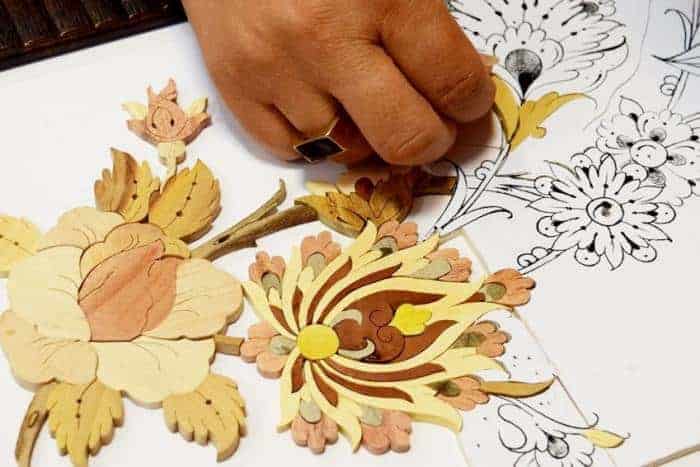
تابلوهای نقاشی مینیاتور و معرق در سال های اخیر در شهر رشت و در قالب چندین کارگاه تولید و آموزش به فعالیت می پردازد که جایگاه بسیار خوبی به دست آورده است. تابلوهایی که با ظریف کاری هر چه تمام ساخته شدند و ارزش و قیمت بسیار قابل توجهی دارند. جالب است بدانید که تابلوهای نفیسی که با این هنر در این منطقه تولید شدند با استقبال بسیار خوبی مواجه شده اند.
خراطی و نازک کاری چوب
صنایع چوبی استان گیلان از مهم ترین محصولات سنتی و دستی این منطقه به شمار می رود. محصولاتی همچون جعبه جواهرات، بازی تخته، بازی شطرنج، صندوقچه، قلیان و ... که با ظرافت بسیار بالایی ساخته می شوند. نازک کاری چوب و یا خراطی در میان دستاورد های چوبی مردم این منطقه بسیار شهرت دارد و جمع کثیری از صنعتگران استان گیلان به تولید انواع وسایل چوبی با این رشته می پردازند. مهم ترین نکته ای که در این میان وجود دارد این است که وجود درختان در این منطقه باعث شده است که صنایع چوبی بیش از هر صنعت و هنر دیگری ترویج پیدا کند.
قالی بافی
سابقه بسیار طولانی در کشورمان به هنر قالی بافی تعلق دارد و به جهت نقوش خاصی که در آن اجرا می شود دارای شهرت جهانی میباشد. قالی بافی در سال های بعد از پیروزی انقلاب اسلامی و در سایه سرمایه گذاری های بخش عمومی در امر آموزش و تهیه و تدارک مواد اولیه آن و همچنین پرداخت اعتبارات تسهیلات بانکی در این استان نیز حیات دوباره یافت و در قالب تولید انفرادی در منازل و یا گروهی در کارگاه ها، در بسیاری از نقاط شهری و روستایی این استان رونق گرفت و قالی های پشمی و ابریشمی نفیسی تولید شد و همچنین ادامه دارد.
کدوی قلیانی
از خاص ترین صنایع دستی و سنتی گیلان میتوان به ساخت کدوی قلیانی اشاره کرد، کدویی که هنرمندان گیلانی با نقاشی روی آن اقدام به تهیه تنگ، پایه چراغ و یا ظرف محتوی آب قلیان می کنند. این هنر زیبا در گیلان به قلیان کوئی نیز معروف است. مرکز اصلی تولید و رواج این هنر متعلق به شرق گیلان علی الخصوص لیالستان لاهیجان میباشد.
برچسب:
نویسنده: مهتاب
خوزستان ، استانی است با چندین صنایع دستی شاخص که هر کدام، قدمتی طولانی دارند. صنایع دستی خوزستان از تنوع بالایی برخوردار بوده و مواد اولیه ی ساخت آن، غالبا از همین استان تامین می شود. صنایع دستی به عنوان بخشی از فرهنگ و هویت یک قوم و ملت به شمار می روند که معمولا بر اساس مواد اولیه و متریال موجود در یک منطقه جغرافیایی تولید می شوند. بشر از هزاران سال قبل فهمید که برای ادامه حیات خود نیاز دارد که از منابع طبیعی اطراف خود نیازهایش را تامین کند. به همین دلیل صنایع دستی در مناطق جغرافیایی با هم تفاوت هایی دارند. با گسترش تجارت و کسب و کار صنایع دستی در نقاط مختلف دنیا داد و ستد شدند، و همین موضوع باعث رونق آنها شد. البته این کار زمینه تقلید را نیز فراهم کرد اما از آنجایی که متریال، دانش و ذوق هنری در افراد و قوم های مختلف با هم متفاوت است، به همین دلیل صنایع دستی با یکدیگر تفاوت دارند. ایران کشوری است که از مهدهای تمدن در دنیا به شمار می رود و در ایران مناطق مختلفی وجود دارد که صنایع دستی آنها در سراسر کشور و حتی خارج از مرزهای ایران زبانزد است که از جمله این مناطق می توان به خوزستان و تمدن شوش در قلب آن اشاره کرد. این موارد باعث شده اند که در این استان انواع صنایع دست با پشتوانه چند هزار سال وجود داشته باشند. در ادامه تعدادی از صنایع دستی خوزستان معرفی می شوند.
کپوبافی یکی از شاخص ترین صنایع دستی خوزستان
نخل یا همان درخت خرما به همراه نی از پوشش های گیاهی و غالب استان خوزستان به شمار می روند و به همین دلیل از برگ های این درختان و گیاهان صنایع دستی مختلفی تولید می شود که ریشه آنها به هزاران سال قبل برمی گردد. کپوبافی یکی از صنایع دستی است که از برگ و ساقه گیاهان تولید می شود و شباهت زیادی به حصیر بافی دارد. تفاوت عمده کپوبافی و حصیربافی در این است که در کپوبافی برای جلوگیری از سادگی کار، از رشته های نخ های رنگی جهت تزیین استفاده می شود. معمولا برای تزیین کپوها گاهی از منگوله ها نیز استفاده می شود. از این صنایع دستی خوزستان می توان برای امورات کاربردی و تزیینی استفاده کرد.
گلیم افشار خوزستان
افشارها یکی از قوم های با اصالت و قدیمی ایران هستند که به دلایل شرایط خاص زندگی خود، در نقاط مختلفی از ایران سکونت دارند و یکی از معروفترین شاخه های این قوم بزرگ در استان خوزستان است. افشارهای استان خوزستان صنایع دستی مختلفی دارند و یکی از بهترین آنها که شهرت جهانی دارند، گلیم افشار خوزستان است. این گلیم از لحاظ تکنیک بافت و طرح های آن شباهت زیادی به گلیم های لر دارد. طرح این گلیم ها معمولا با نمادهای لوزی شکل که مضمون آنها مرتبط با کشاورزی، آب و هوا و زندگی عشایری است، بافته می شود. همچنین گلیم های افشار خوزستان را می توان از لحاظ طرح به گلیم های دو کله (یا دو ترنج) و سه کله تقسیم بندی کرد. استفاده از پشم های مرغوب، رنگرزی تمام گیاهی پشم ها و بافت زیبای چاکدار و محکم اشاره نمود.
قالی بافی در استان خوزستان
استان خوزستان یکی از مهدهای تمدن بشر به شمار می رود و قالیبافی به عنوان یکی از قدیمی ترین صنایع دستی این استان به شناخته می شود. قالی های این استان معمولا با نقوش ایلیاتی و ذهنی بافته می شوند. قالی خوزستان با پشم های مرغوب منطقه و رنگرزی سنتی بافته می شود و ابعاد آن معمولا کوچک پارچه تا متوسط می باشند.
گیوه بافی یکی از قدیمی ترین صنایع دستی استان خوزستان
گیوه بافی یکی از قدیمی ترین صنایع دستی استان خوزستان به شمار می رود که در شهرهای شوشتر، دزفول و بهبهان با رونق خوبی انجام می شود. گیوه ها پاپوش و کفش های سنتی هستند که از قرن ها قبل در نقاط مختلف ایران تولید می شدند اما ویژگی های بهتر گیوه خوزستان باعث شهرت آن شده است. در این استان از مواد اولیه کاملا طبیعی برای تولید گیوه استفاده می شود که از جمله آنها می توان به پارچه های نخی و پنبه ای، چرم طبیعی، نخ های طبیعی، موی بز و چسب کتیرا اشاره کرد. استفاده از متریال کاملا سنتی باعث شده که استفاده از گیوه خوزستان هیچگونه حساسیتی به همراه نداشته باشد.
احرامی بافی خوزستان
در استان خوزستان و از قرن های گذشته بافت زیلو و زیرانداز رواج داشته است اما با ورود دین اسلام تحولی در بافت این زیراندازها صورت گرفت و برای اقامه نماز یک زیرانداز خاص طراحی و تولید شد که با نام احرامی شناخته می شود. احرامی ها سجاده هایی هستند که در ابعاد کوچکی مثل 90×70 سانتی متر تولید می شوند و تکنیک بافت آنها به صورت کاملا سنتی و بر روی دارهای دو وردی انجام می گیرد. همچنین مواد اولیه این زیراندازها از نخ پنبه ای و پشم می باشد. از مهمترین مناطق بافت احرامی خوزستان می توان به شوشتر، بهبهان و دزفول اشاره کرد.
حصیر بافی
حصیر بافی یکی از صنایع دستی پرکاربرد استان خوزستان به شمار می رود که شهرهای خرمشهر، آبادان، شادگان و دشت آزادگان از مهمترین مناطق تولید آن به شمار می روند. حصیرها در این استان با استفاده از برگ های نخل و نی و با دو تکنیک کلی درهم رفته یا همان مشبک و همچنین روش مارپیچ تولید می شوند.مانند سبد، سفره، کلاه، گلدان، زنبیل حصیری، طبق و ... . حصیر بافی در خوزستان به عنوان یک صنایع دستی ارزشمند برای موارد مختلفی استفاده می شود که از جمله آنها می توان به عنوان زیرانداز، پوشش سقف و همچنین پرده اشاره کرد. ابعاد حصیر خوزستان معمولا کوچک پارچه است اما معمولا در بین عشایر گاهی می توان نمونه های بزرگ پارچه آنها را نیز مشاهده کرد.
خراطی
یکی دیگر از صنایع دستی خوزستان، هنر خراطی است. خراطی به هنر و صنعتی گفته می شود که در طی آن نقش هایی بر روی چوب حک می شود. شهرستان دزفول یکی از مهمترین مراکز استان خوزستان به شمار می رود که از قدیم صنایع دستی خراطی خوزستان در آن تولید می شدند. میل های زورخانه، مبلمان، جالباسی، نی قلیان، جعبه های چوبی و مهرهای سنتی از مهمترین صنایع دستی خراطی خوزستان به شمار می روند. اگر قصد تهیه سوغات از صنایع دستی خوزستان برای خانم های خانه دار را دارید، توصیه میکنیم حتما نگاهی به صنایع دستی خراطی این استان بیاندازید.
عبا بافی
از دیگر صنایع دستی خوزستان ، میتوان به عبابافی اشاره کرد که قدمتی پانصد ساله در این استان دارد. اعراب خوزستان لباس خاص و محلی خود را دارند و عبا به عنوان یکی از اجزای لباس آنها به شمار می رود به همین دلیل از گذشته عبا بافی در این استان عرب نشین رواج داشته است و در حال حاضر نیز بافت عبا به صورت سنتی در این منطقه تولید می شود و شهرستان بهبهان به عنوان مرکز عبا بافی این استان به شمار می رود. به عبارت دیگر عبای بهبهان از محبوبیت و شهره بسیار بالایی برخوردار است و دلیل اصلی این موضوع استفاده از مواد اولیه با کیفیت مثل پشم شتر و همچنین پشم گوسفند عربی می باشد. امروزه با وجود اینکه تولیدات عبا بافی خوزستان به میزان قابل توجهی تنزل یافته اما همواره از داخل و حتی کشورهای حوزه خلیج فارس برای آنها سفارشاتی وجود دارد.
برچسب:
نویسنده: مهتاب
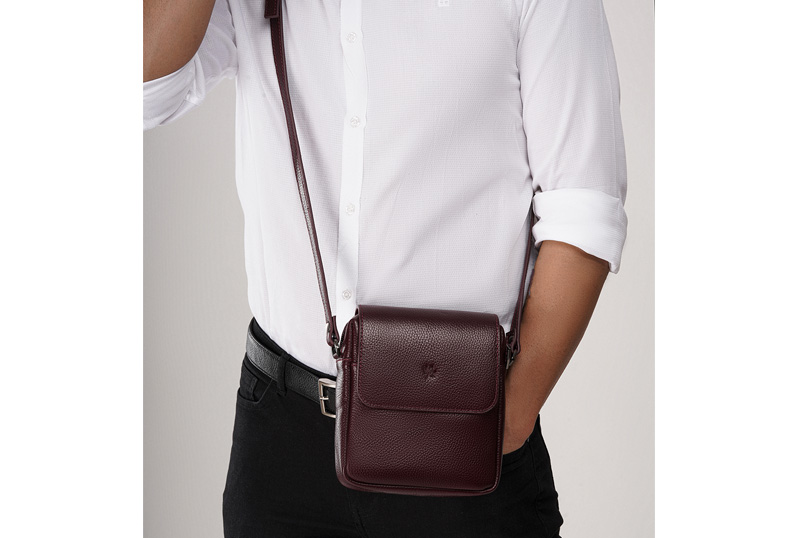
Today, the concept and use of the word "bag" is very different from what it was in the past. In the past, the word "bag" was often used as a bag for storing things, but today its concept and meaning have changed and the bag is used as an accessory to store and carry essential personal items. Today's small bags, along with straps that make them easier to carry and hang from the shoulder, are considered a fashionable bag of the day and are used to carry small personal items such as money, cosmetics and electronics such as mobile phones. These models of bags are usually designed in women's models and in most cases women use this model of bags, but for the past 30 years, some men's models have also been designed and produced for men.
The concept of a bag has been around for thousands of years and has evolved over the years under the influence of fashion and the need to carry personal items. In the continuation of this article from Leather Blog, we will briefly discuss the history of the bag and explain how the design and size of the bag have changed over the years.
Kyiv in ancient times
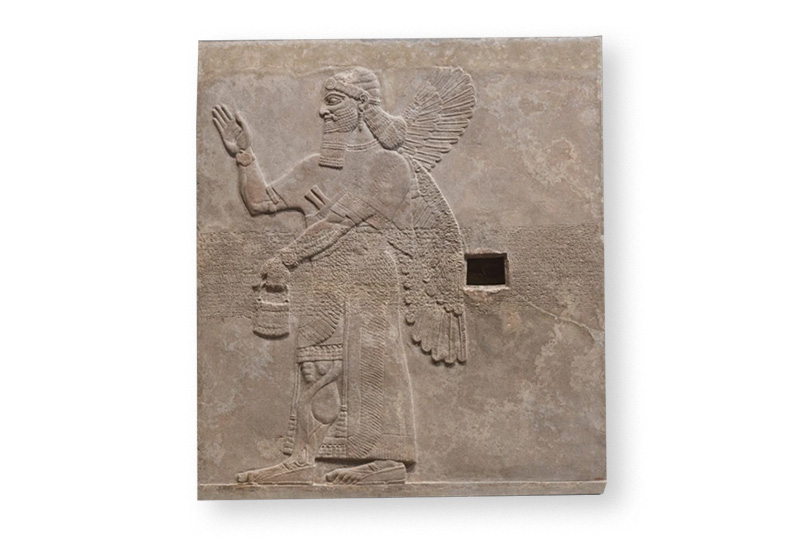
The history of Kiev goes back more than 5000 years. In 1991, a man named Otsi (the oldest natural mummy discovered in Europe) was discovered in the Alpine mountains with a handbag next to him. The material of this ancient bag is made of antelope skin and has been attached to it. Further evidence of the ancient bag can be found in Egyptian pictographs in which several men carry bags around their waists. Other evidences include the period mentioned in the Bible, where Judas Iscariot (Iscariot) is introduced as someone carrying a bag. Among other examples, we can mention the petroglyph of an Assyrian man with a bag in his hand.
Today, the concept and use of the word "bag" is very different from what it was in the past. In the past, the word "bag" was often used as a bag for storing things, but today its concept and meaning have changed and the bag is used as an accessory to store and carry essential personal items. Today's small bags, along with straps that make them easier to carry and hang from the shoulder, are considered a fashionable bag of the day and are used to carry small personal items such as money, cosmetics and electronics such as mobile phones. These models of bags are usually designed in women's models and in most cases women use this model of bags, but for the past 30 years, some men's models have also been designed and produced for men.
The concept of a bag has been around for thousands of years and has evolved over the years under the influence of fashion and the need to carry personal items. In the continuation of this article from Leather Blog, we will briefly discuss the history of the bag and explain how the design and size of the bag have changed over the years.
Kyiv in ancient times
The history of Kiev goes back more than 5000 years. In 1991, a man named Otsi (the oldest natural mummy discovered in Europe) was discovered in the Alpine mountains with a handbag next to him. The material of this ancient bag is made of antelope skin and has been attached to it. Further evidence of the ancient bag can be found in Egyptian pictographs in which several men carry bags around their waists. Other evidences include the period mentioned in the Bible, where Judas Iscariot (Iscariot) is introduced as someone carrying a bag. Among other examples, we can mention the petroglyph of an Assyrian man with a bag in his hand.
Kyiv in the Middle Ages
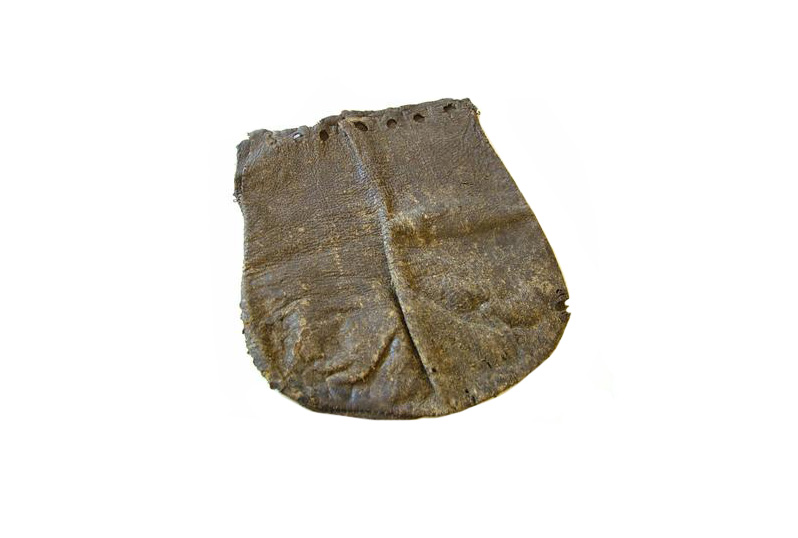
In the early Middle Ages the use of purses was very common among both men and women. The bag in the Middle Ages was made using a circular piece of cloth and a strap was used to close it at the edges. In the Middle Ages, instead of being carried on the shoulder, this bag was tied around the waist and on the clothes. These bags were very small and were probably only used to carry small items such as coins.
In the late Middle Ages, a new style of bag became popular among the aristocracy. These new model bags were made of a triangular metal frame with a leather cover on this metal frame. There was a small opening in the upper part of this model of medieval bags and their lower part was also wider. The initial model of these bags was closed with the help of a strap, and the lid of the models that were made later was secured with the help of a metal clip. Bags in this era (similar to older bags in the Middle Ages) were hung from the waist by a metal strap or loop in the upper part of the bag.
Kyiv during the Renaissance
During the 16th and 17th centuries, fashion changed significantly and more fabric was used in the production of women's clothing. For this reason, women could no longer carry their bags separately and outside of their clothes as in the past, and this led to the invention of bags that fit inside their clothes.
During this period, men's fashion and men's bags changed as well. With the invention of the pocket around 1670, men no longer carried bags that were tied around the waist like in the past, and used smaller bags that were placed inside the pocket to store and carry money. These small bags became wallets in the future.
Kyiv during the industrial revolution
In the 18th century, along with the discovery of the ancient city of Pompeii in Italy, fashion changed once again. During this period and with this discovery, the interest in designing with a long and narrow style as well as a sleek one increased. As a result, women wore more compact clothes and could no longer hang their bags or purses from under their clothes like in the past; It was during this period that the bag was used again. During this period, women used older models of bags that were narrow and had wrist straps.
As rail travel increased in the 19th century, the demand for a more durable bag model that could hold more items grew. For this reason, the manufacturers of travel bags produced bags for traveling by train and specially for women.
The idea of today's mode bag was first proposed in 1841 by a great entrepreneur named Samuel Parkinson. For his travels, Parkinson had ordered a set of travel bags and suitcases for himself, as well as a bag for his wife. He realized that his wife's bag was too small and not of good quality and durability. For this reason, he ordered to make several models of bags of different sizes for his wife so that she can use a suitable bag according to her needs. He also ordered to use the same high-quality and durable leather that his travel bag was made of to produce these bags.
Parkinson to design and produce his desired handbags with H.G. HJ Cave signed a contract and thus the first luxury bag production line was launched. H.J. Due to the lack of popular acceptance of this model of mode bags, Kew stopped its mass production and produced this series of bags only for royals, celebrities and the rich.
Mode and contemporary bags
Handbags evolved significantly in the 1930s. Many different designs and models of today's bags, such as all kinds of handbags and strap bags, were invented in this period. Coco Chanel and Louis Vuitton are among the famous brands that emerged during this period and are still standing today.
During World War II, the design of the bag changed slightly. In this period, since metal was highly needed for war tools, plastic and wooden frames were used instead of metal frames. The use of wood and plastic in the production of bags lasted only a few years during this period, and after that they used metal again to produce bags.
In the 1970s, a model of small portable handbags, called the so-called men's bag, was once again used by men. Compared to other models, this model of bags had a more masculine appearance and allowed men to carry more items. Over the past twenty years, with the ever-increasing use of small electronic devices and gadgets (which require an additional bag to carry), the popularity of this small handbag model has increased.
Currently, Novin Leather is proud to produce and supply different types of leather bags, including office bags, shower bags, handbags, dress bags, backpacks, waist bags, neck bags, passport bags, makeup bags, and all kinds of wallets. shows
Kyiv in the Middle Ages
In the early Middle Ages the use of purses was very common among both men and women. The bag in the Middle Ages was made using a circular piece of cloth and a strap was used to close it at the edges. In the Middle Ages, instead of being carried on the shoulder, this bag was tied around the waist and on the clothes. These bags were very small and were probably only used to carry small items such as coins.
In the late Middle Ages, a new style of bag became popular among the aristocracy. These new model bags were made of a triangular metal frame with a leather cover on this metal frame. There was a small opening in the upper part of this model of medieval bags and their lower part was also wider. The initial model of these bags was closed with the help of a strap, and the lid of the models that were made later was secured with the help of a metal clip. Bags in this era (similar to older bags in the Middle Ages) were hung from the waist by a metal strap or loop in the upper part of the bag.
Kyiv during the Renaissance
During the 16th and 17th centuries, fashion changed significantly and more fabric was used in the production of women's clothing. For this reason, women could no longer carry their bags separately and outside of their clothes as in the past, and this led to the invention of bags that fit inside their clothes.
During this period, men's fashion and men's bags changed as well. With the invention of the pocket around 1670, men no longer carried bags that were tied around the waist like in the past, and used smaller bags that were placed inside the pocket to store and carry money. These small bags became wallets in the future.
Kyiv during the industrial revolution
In the 18th century, along with the discovery of the ancient city of Pompeii in Italy, fashion changed once again. During this period and with this discovery, the interest in designing with a long and narrow style as well as a sleek one increased. As a result, women wore more compact clothes and could no longer hang their bags or purses from under their clothes like in the past; It was during this period that the bag was used again. During this period, women used older models of bags that were narrow and had wrist straps.
As rail travel increased in the 19th century, the demand for a more durable bag model that could hold more items grew. For this reason, the manufacturers of travel bags produced bags for traveling by train and specially for women.
The idea of today's mode bag was first proposed in 1841 by a great entrepreneur named Samuel Parkinson. For his travels, Parkinson had ordered a set of travel bags and suitcases for himself, as well as a bag for his wife. He realized that his wife's bag was too small and not of good quality and durability. For this reason, he ordered to make several models of bags of different sizes for his wife so that she can use a suitable bag according to her needs. He also ordered to use the same high-quality and durable leather that his travel bag was made of to produce these bags.
Parkinson to design and produce his desired handbags with H.G. HJ Cave signed a contract and thus the first luxury bag production line was launched. H.J. Due to the lack of popular acceptance of this model of mode bags, Kew stopped its mass production and produced this series of bags only for royals, celebrities and the rich.
Mode and contemporary bags
Handbags evolved significantly in the 1930s. Many different designs and models of today's bags, such as all kinds of handbags and strap bags, were invented in this period. Coco Chanel and Louis Vuitton are among the famous brands that emerged during this period and are still standing today.
During World War II, the design of the bag changed slightly. In this period, since metal was highly needed for war tools, plastic and wooden frames were used instead of metal frames. The use of wood and plastic in the production of bags lasted only a few years during this period, and after that they used metal again to produce bags.
In the 1970s, a model of small portable handbags, called the so-called men's bag, was once again used by men. Compared to other models, this model of bags had a more masculine appearance and allowed men to carry more items. Over the past twenty years, with the ever-increasing use of small electronic devices and gadgets (which require an additional bag to carry), the popularity of this small handbag model has increased.
Currently, Novin Leather is proud to produce and supply different types of leather bags, including office bags, shower bags, handbags, dress bags, backpacks, waist bags, neck bags, passport bags, makeup bags, and all kinds of wallets. shows
برچسب:
نویسنده: مهتاب
امروزه مفهوم و کاربرد واژه "کیف" با آنچه که در گذشته بوده بسیار متفاوت است. واژه کیف در گذشته اغلب به عنوان کیسه ای جهت نگهداری اشیا به کار می رفته است، اما امروزه مفهوم و معنای آن تغییر کرده و کیف به عنوان یک اکسسوری برای نگهداری و حمل لوازم شخصی ضروری استفاده می شود. کیف های کوچک امروزی به همراه بندهایی که حمل آنها را آسان تر کرده و از شانه آویزان می شوند، به عنوان یک کیف مُد روز محسوب می شوند و برای حمل وسایل شخصی کوچک مانند پول، لوازم آرایشی و الکترونیکی مثل موبایل مورد استفاده قرار می گیرند. این مدل کیف ها معمولا در مدل های زنانه طراحی شده و در اغلب موارد خانم ها از این مدل کیف ها استفاده می کنند اما تقریبا از 30 سال گذشته برخی مدل های مردانه نیز برای آقایان طراحی و تولید شده است.
هزاران سال است که مفهوم کیف به وجود آمده و طی گذر سال ها و تحت تاثیر مد و فشن و همچنین نیاز به حمل وسایل شخصی تکامل یافته است. در ادامه این مقاله به طور مختصر به تاریخچه کیف می پردازیم و چگونگی تغییرات طراحی و اندازه کیف در طول سالیان متمادی را بیان می کنیم.
کیف در دوران باستان
تاریخچه کیف به بیش از 5000 سال قبل بازمی گردد. در سال 1991 در کوه های آلپ پیکر مردی به نام اوتسی (قدیمی ترین مومیایی طبیعی کشف شده در اروپا) به همراه یک کیف دستی در کنارش کشف گردید. جنس این کیف باستانی از پوست بز کوهی و بندی نیز به آن متصل بوده است. شواهد بیشتری از کیف عهد باستان را می توان در حروف تصویری مصری یافت که در آن چند مرد کیسه هایی را به دور کمر خود حمل می کنند. از شواهد دیگر می توان به دوران مذکور در انجیل اشاره کرد، جایی که یهودا اسکاریوتی (اسخریوطی) به عنوان کسی که کیف حمل می کند، معرفی شده است. از نمونه های دیگر می توان به سنگ نگاره مرد آشوری به همراه کیفی در دست اشاره نمود.
کیف در قرون وسطی
در اوایل قرون وسطی استفاده از کیف در میان مردان و زنان بسیار رایج بوده است. کیف در قرون وسطی با استفاده از یک تکه پارچه دایره ای شکل ساخته می شد و برای بستن آن در قسمت لبه ها از یک بند استفاده می کردند. این مدل کیف در قرون وسطی به جای اینکه روی شانه حمل شود توسط بندی دور کمر و روی لباس بسته می شد. این کیف ها بسیار کوچک بودند و احتمالا فقط برای حمل وسایل کوچک مانند سکه مورد استفاده قرار می گرفتند.
در اواخر قرون وسطی، سبک جدیدی از کیف ها میان طبقه اشراف زادگان رواج پیدا کرد. این مدل کیف های جدید از یک قاب فلزی مثلثی شکل همراه با پوشش چرمی روی این قاب فلزی ساخته می شدند. در قسمت بالایی این مدل کیف های قرون وسطایی دریچه کوچکی وجود داشته و بخش پایینی آنها نیز عریض تر بوده است. مدل اولیه این کیف ها با کمک بند بسته می شد و درب مدل هایی که بعدتر ساخته شدند با کمک یک گیره فلزی محکم می شد. کیف ها در این دوران (مشابه کیف های قدیمی تر در قرون وسطی) توسط یک بند یا حلقه فلزی در بخش فوقانی کیف از کمر آویزان می شدند.
کیف در دوران رنسانس
در طول قرن های شانزدهم و هفدهم میلادی، مد و فشن به طرز قابل توجهی تغییر کرد و در تولید البسه زنانه از پارچه بیشتری استفاده می شد. به همین سبب خانم ها دیگر مانند گذشته نمی توانستند کیف خود را به صورت جداگانه و خارج از لباس حمل کنند و همین مساله باعث شد تا کیف هایی که درون لباس جای می گرفتند ابداع شود.
در این دوران، مد و فشن مردانه و در پی آن کیف های مردانه نیز تغییر کردند. با ابداع جیب در حدود سال 1670، آقایان دیگر مانند گذشته کیف هایی که به دور کمر بسته می شد را با خود حمل نمی کردند و برای نگهداری و حمل پول از کیسه های کوچک تری که درون جیب قرار می گرفت استفاده می کردند. این کیسه های کوچک در آینده به کیف پول تبدیل شدند.
کیف در دوران انقلاب صنعتی
در قرن هجدهم میلادی همزمان با کشف شهر باستانی پمپئی ایتالیا، مد و فشن بار دیگر متحول گشت. در این دوره و با این کشف، علاقه به طراحی با سبک بلند و باریک و همچنین براق افزایش یافت. در نتیجه، زنان لباس های جمع و جورتر می پوشیدند و دیگر نمی توانستند مانند گذشته کیسه یا کیف پول خود را از زیر لباس آویزان کنند؛ در این دوره بود که کیف مجددا مورد استفاده قرار گرفت. زنان طی این دوره از مدل کیف های قدیمی تر که باریک بوده و بند مچ داشتند، استفاده می کردند.
با افزایش سفرهای ریلی در قرن نوزدهم، تقاضا برای یک مدل کیف که دوام بیشتری داشته باشد و اقلام بیشتری را در خود جای دهد، افزایش پیدا کرد. به همین دلیل تولید کنندگان کیف های مسافرتی، کیف هایی را جهت حمل وسایل سفر با قطار و مخصوص بانوان تولید کردند.
ایده کیف مدرن امروزی، اولین بار در سال 1841 توسط یک کارآفرین بزرگ به نام ساموئل پارکینسون مطرح شد. پارکینسون برای سفرهای خود مجموعه ای از کیف ها و چمدان های مسافرتی را برای خودش و همچنین یک کیف هم برای همسرش سفارش داده بود. او متوجه شد که کیف همسرش بسیار کوچک است و کیفیت و دوام مناسبی هم ندارد. به همین جهت دستور داد تا چندین مدل کیف با اندازه های مختلف برای همسرش بسازند تا بتواند با توجه به نیازش از کیف متناسبی استفاده نماید. او همچنین دستور داد تا برای تولید این کیف ها از همان چرم مرغوب و بادوامی که ساک مسافرتی خودش از آن ساخته شده بود استفاده شود.
پارکینسون برای طراحی و تولید کیف های دستی مد نظرش با اچ.جی. کِیو (H.J. Cave) قرارداد بست و به این ترتیب اولین خط تولید کیف لوکس راه اندازی گردید. اچ.جی. کیو به دلیل عدم استقبال از طرف عامه مردم از این مدل کیف های مدرن، تولید انبوه آن را متوقف کرد و این سری کیف ها را تنها برای اشخاص سلطنتی، مشهور و ثروتمندان تولید کرد.
کیف های مدرن و امروزی
کیف های دستی در دهه 1930 پیشرفت قابل توجهی داشتند. بسیاری از طراحی ها و مدل های مختلف کیف های امروزی مانند انواع مدل های کیف دستی و کیف های بنددار در این دوره ابداع شدند. کوکوشنل و لویی ویتون از جمله برندهای معروفی هستند که در این دوره به وجود آمدند و امروزه نیز همچنان پابرجا هستند.
در دوران جنگ جهانی دوم، طراحی کیف اندکی تغییر کرد. در این دوره از آنجا که فلز برای ادوات جنگی به شدت مورد نیاز بود، به جای قاب های فلزی از قاب های پلاستیکی و چوبی استفاده می شد. استفاده از چوب و پلاستیک در تولید کیف طی این دوران فقط چند سال طول کشید و پس از آن مجددا از فلز برای تولید کیف استفاده کردند.
در دهه 1970 بار دیگر مدلی از کیف های دستی کوچک قابل حمل که اصطلاحا کیف مردانه نامیده می شد، توسط آقایان مورد استفاده قرار گرفت. این مدل کیف ها در مقایسه با سایر مدل ها ظاهر و جلوه مردانه تری داشتند و اجازه حمل وسایل بیشتری را به آقایان می داد. طی بیست سال گذشته و با افزایش روزافزون استفاده از وسایل الکترونیکی کوچک و گجت ها (که برای حمل به یک کیف اضافی نیاز دارند)، بر محبوبیت این مدل کیف های دستی کوچک افزوده شد.
در حال حاضر نوین چرم افتخار دارد که انواع مدلهای مختلف کیف چرم از جمله کیف اداری، کیف دوشی، کیف دستی، کیف مجلسی، کوله پشتی، کیف کمری، کیف گردنی، کیف پاسپورتی، کیف لوازم آرایش و انواع کیف پول را تولید و عرضه می نماید.
برچسب:
نویسنده: مهتاب
در اینبخش بـه معرفی انواع کیف زنانه و کاربردهای آن ها می پردازیم. طبق معمول هنگامیکه بـه منظور خریدن کیف بیرون می رویم با مدلهای فراوانی مواجه میشویم و این تنوع بالا ممکن اسـت کمی گیج کننده باشد و انتخاب هاي مان کمی سخت شوند، شاید دلیل این امر نداشتن اطلاعات کافی درباره نوع کیف ها و کاربرشان باشد. در ادامه با پارس ناز همراه باشید تا انواع کیف ها و کاربردهای شان رابه شـما بگوییم.
مدل کیف دوشی
کیف دوشی، مشهور بـه کیف Shopper، بزرگ ترین کیف کمد شـما خواهد شد. این کیف دارای دو دسته نسبتاً بلند برای حمل روی شانه اسـت و طبق معمولً دهانه اي بدون زیپ یا دکمه دارد.

اندازه بزرگ این کیف و حمل آسان آن باعث شده برای قرار دادن اقلام کوچک و گذاشتن و برداشتن پول یا کارت هنگام خرید، آسان ترین گزینه باشد. همین اندازه و اسانی نیز دلیل استفاده این کیف ها در طرح ها و جنس هاي مختلف برای رفتن بـه استخر یا دریا می شود.
مدل کیف دستی
در تولید کیف هاي دستی، بیشتر از کیف هاي دوشی دقت بـه کاربرده می شود، تا هنگام حمل آن اسانی کاملی داشته باشید. بهمین دلیل آن ها را Tote -بـه معنای حمل- نامیدند. این کیف ها طبق معمولً کوچک تر از کیف هاي خرید هستند و ظرافت بیشتری در طراحی دارند. می توانند دهانه اي زیپ یا دکمه دار و یا باز داشته باشند. دسته این کیف ها کوتاه اسـت و اغلب بند دوشی بلند و قابل اتصال و جدا کردن، برای استفاده آسان تر هم بـه همراه دارند.

اندازه متوسط و نسبتاً بزرگ آن ها باعث شده در موقعیت هاي بسیاری مورد استفاده قرار بگیرند. در بیشتر این کیف ها برای اقلام موردنیاز روزمره بانوان جای کافی وجوددارد. از کیف پول، قاب عینک، موبایل، کیف لوازم آرایش گرفته تا تبلت . اما اغلب این کیف ها ظاهری رسمی داشته و قابل استفاده برای دیدارهای مهم و رسمی و یا ملاقات دوستانه عصرگاهی هستند.
مدل کیف هلالی
کیف هاي مشهور کراسان شکل، یک محفظه اصلی بزرگ دارند. این کیف هاي هلالی «Hobo» از چرم یا پارچه هاي نرم ساخته شده اند و بهمین دلیل حالتی افتاده و خمیده دارند.

جدا از اندازه بزرگ این کیف ها، منعطف بودن آن ها باعث شده اقلام بسیاری بـه اسانی در آن جا داده شوند. درنتیجه برای حمل لوازم روزانه و یا در گردش و تفریح استفاده زیادی دارند.
مدل کیف کتابی
کیف کتابی طبق معمولً شکل مستطیل و ضخامت هاي متنوع دارند. نداشتن هیچ دسته یا بندی باعث میشود آن رابا همه ی انگشتان و کف دست بگیرید. بدلیل این نحوه در دست گرفتن کیف، آن ها کلاچ «Clutch» بـه معنی محکم گرفتن نامیده میشوند. امروزه کیف هاي کتابی در شکل هاي مختلفی مانند دایره، بیضی، مربع، مثلث و یا قلبی طراحی میشوند.

دراین کیف هاي کوچک میتوانید موبایل، کلید، کارت اعتباری، اسکناس و یا تعداد محدودی لوازم آرایش قرار دهید. مدل هاي سنگ دوزی یا گل دوزی شده این کیف ها و بعضی مدل هاي براق و درخشان، انتخاب مناسبی برای مهمانی هاي شبانه خواهند بود.
مدل کیف باگت
این کیف ها بدلیل شباهت ظاهری خود با نان باگت فرانسوی «Baguette» این گونه نام گذاری شده اند. کیف باگت مستطیل شکل اسـت کـه طبق معمولً طول بیشتر و عمق و ارتفاع کمتری دارد. این کیف ظاهری شبیه کیف هاي کتابی اما بند دار دارد، ولی حجم آن کمتر از کیف هاي دستی ست.

سایز متوسط این کیف اغلب برای استفاده روزانه و اندازه بزرگ آن برای روزهای کاری مناسب خواهد بود. هم چنین مدل هاي کوچک آن برای دیدارهای عصرانه ایدئال هستند.
مدل کیف تک بند
کیف هاي تک بند اندازه اي کوچک و مشابه کیف هاي کتابی یا باگت دارند. با این تفاوت کـه بند دوشی بلند چرمی و یا زنجیری دارند. این کیف ها اغلب با دهانه تا شو و یا زیپ دار طراحی میشوند.
اندازه این کیف ها و بسته بـه طرح و جنس آن ها برای خرید، پیاده روی و یا در طول سفر، برای اقلام کوچک روزانه مناسب اسـت. بنابر این استفاده معمول این کیف ها برای زمانی اسـت کـه احتیاجی بـه برداشتن اقلام زیادی ندارید.
مدل کیف کیسه ای
کیف هاي باکت «Bucket» بدلیل شباهت الگوی اولیه سطل مانند این گونه نام گذاری شده اند. این کیف ها درواقع ظاهری استوانه اي دارند، کـه دهانه آن ها با بند جمع شده و بـه شکل کیسه هاي پول قدیمی درمی آید. بند بلند دوشی نیز حمل آن ها را آسان تر کرده اسـت. برندهای مختلف اندازه هاي کاملاً متفاوتی از این مدل کیف تولید کرده اند تا در موقعیت هاي زیادی قابل استفاده باشند.

بـه ویژه اندازه هاي کوچک و متوسط آن ها کـه مشابه کیف هاي باگت و تک بند، استفاده روزمره دارند. هم چنین مدل هاي بزرگتر آن کـه کاربردی مانند کیف ها دوشی خرید دارند. علاوه بر این در سفر یا مناطق شلوغ، شکل کیسه اي این کیف و هم چنین امکان بازرسی و قرار گرفتن در دستان شـما، از دزدیدن آن پیش گیری می کند.
مدل کیف پستچی
این کیف ها کـه کم شباهت با کیف هاي پیک سوارها و یا عده اي از کیف هاي مدرسه قدیمی نیستند، کیف پستچی «Messenger» نامیده می شوند. کیف پستچی بند بلند دوشی دارد کـه بـه دو طرف کیف متصل اسـت. دهانه تاشو این کیف کـه طبق معمولً با دو دکمه یا سگک بسته می شود، محتویات داخل کیف را از باران احتمالی محافظت می کند.

این کیف ها برای استفاده دانشجویان یا کارمندانی کـه با خود کتاب یا مدارک حمل میکنند، بسیار مناسب اسـت. هم چنین میتوانید در آن لپ تاپ یا تبلت خودرا قرار دهید. بند دوشی آن برای سنگین بودن کیف آماده اسـت.
مدل کوله پشتی
کیف هایي کوله «Backpack» برای استفاده آسان تر با دو بند روی یک یا هردو شانه قرار میگیرند. سایزهای مختلف این کیف ها مقدار جادار بودن آن ها را مشخص می کند. بهمین دلیل مدل هاي فانتزی و یا چرمی طراحی شده، صرفاً جنبه کیف دستی روزمره دارند.

از کوله ها اغلب برای حمل اقلام سنگین استفاده می شود. بهمین دلیل بیشتر موردتوجه و استقبال دانش آموزان و ورزشکاران اسـت. بسیاری اما برای حمل لپ تاپ و یا لوازم هنری و یا از هر تخصص دیگر ازآن استفاده میکنند. مدل هاي کوچک، شیک و بـه روزتر این کوله ها نیز، سال هاست استایل متفاوتی ایجاد کرده اند.
مدل کیف ورزشی سفری
کیف ورزشی/سفری «Duffel» در اصل در بلژیک با استفاده از پارچه هاي با کیفیت ساخته میشد. این کیف هاي بزرگ ظاهری استوانه دارند و امروزه از چرم یا پارچه هاي متنوعی ساخته میشوند.

این کیف ها برای حمل لباس و وسایل سنگین و پرحجم طراحی شده اند. بهمین دلیل بیشترین کاربرد آن حمل لباس و تجهیزات ورزشی بوده و علاوه بر این، در سفر نیز قابل استفاده اسـت.
و در ادامه محبوب ترین کیف های زنانه
وقتی بـه گذشته برگشته و نگاهی بـه صنعت مد بیاندازید، خواهید دید کـه تعداد کمی از کیف دستی ها هستند کـه از گذشته دراین صنعت حضور داشته اند و حضورشان صنعت اکسسوری را شکل داده و بـه چگونگی استفاده و خرید مردان و زنان اهمیت داده اند.
کیف دستی مدل فلپ از برند شنل «Chanel Flap bags» کیف دستی
راهی جز شروع این فهرست با برند شنل وجود ندارد. در فوریه سال ۱۹۵۵، کوکو شانل «Coco chanel» این مدل کیف را طراحی کرد و برای همیشه صنعت اکسسوری را تغییر داد.

شاید بپرسید تفاوت این کیف با کیف هاي پیش ازآن در چـه چیزی بوده اسـت؟ باید بگوییم بند زنجیری این کیف نکته متمایز آن محسوب می شوند.
کیف دستی مدل برکین از برند هرمس «Hermès Birkin bag»
داستان ساخت کیف برکین بسیار جالب اسـت. مدیرعامل برند هرمس در پروازی درکنار بازیگر انگلیسی-فرانسوی جین بیرکین «Jane Birkin» نشسته بود کـه متوجه شد او برای حمل کیفش با مشکل مواجه اسـت.
کیف صنایع دستی

بهمین دلیل از او پرسید کـه کیفی کـه حمل و استفاده ازآن آسان باشد، باید چـه ویژگی هایي داشته باشد. این اتفاق درسال ۱۹۸۱ روی داد ودر سال ۱۹۸۴ کیف بیرکین روانه بازار شد. این مدل کیف هنوز هم یکی از مدلهای برتر کیف از برند هرمس اسـت.
کیف دستی مدل نوئه از برند لویی ویتون «Louis Vuitton Noé bag»
اگر چـه این معروفترین مدل کیف هاي برند لویی ویتون نیست، اما طراحی جالب آن راه را برای طراحی هاي دیگر با این سبک هموار کرد. کیف کیسه اي «Bucket» نوئه درسال 1932 طراحی مجدد شد.

این مدل کیف تمام چرم اسـت و لوگوی برند لویی ویتون همه ی جای این کیف تکرار شده اسـت. کیف نوئه هم چنین یک بند بلند برای استفاده با استایل روزمره دارد.
کیف دستی مدل باگت از برند فندی «Fendi Buggette bag»

تقریبا یک دهه پیش، کیف باگت «Buggette» برند فندی بـه کیف برتر در کل جهان تبدیل شد. بـه طوریکه تعداد زیادی از ستاره هاي سینمایی از این نوع کیف استفاده می کردند. در همان سال ها اکسسوری هاي برند فندی تاثیرگزاری زیادی در سراسر دنیا داشت.
کیف دستی مدل پدینگتون از برند کلوئه «Chloé Paddington bag»

مدل کیف پدینگتون همیشه مدلی کاربردی اسـت. کیف پدینگتون برند کلوئه کاملاً بـه موقع طراحی شد، یعنی زمان خریدهای اینترنتی و شبکه هاي اجتماعی و این موارد کار خرید این کیف را برای افراد سخت پسند بسیار آسان کرد.
مدل کیف دستی بزرگ از برند سلین «Céline Tote bags»
در سال هـای بعد، کم کم تب خرید کیف دستی مدل پادینگتون از بین رفت و تعداد زیادی از افراد بر این تصور بودند کـه زمان سلطنت کیف هاي دستی با این سبک تمام شده اسـت.

اما این اتفاق هرگز بـه وقوع نپیوست و کیف هاي دستی «Tote» برند سلین درسال ۲۰۱۰ سناریو دنیای کیف هاي دستی را عوض کرد.
مدل کیف های بالنسیاگا «Balenciaga bag»
کیف هاي بالنسیاگا در عین کامل و بی نقض بودن، هیچ لوگویی از این برند را روی خود ندارند. این مدل کیف ها، ترکیبی از کیف هاي بزرگ و دسته دار هستند کـه در سایز و شکلهای مختلف بـه بازار عرضه شدند.

همین موضوع باعث شد کـه خریداران حق انتخاب زیادی داشته باشند. بعد از موفقیت این برند، تعداد زیادی از برندها تلاش کردند کـه از موفقیت این کمپانی تقلید کنند اما هیچ کدام نتوانستند.
مدل کیف بامبو از برند گوچی «Gucci Bamboo bag»
کیف هاي مدل بامبو گوچی کـه بـه دسته هاي از جنس بامبو مزین شده بودند، در زمانی بسیار پیش از این کـه فرهنگ مد بـه شکل امروز شکل بگیرد، مورد استفاده سلبریتی ها و افراد مشهور قرار می گرفته اسـت.

میتوان این دسته از کیف ها را نخستین ترند مورد علاقه سلبریتی ها دانست، یکی از این افراد مشهور الیزابت تیلور «Elizabeth Taylor» بوده اسـت.
مدل کیف کِلی از برند هرمس «Hermès Kelly bags»
از زمانی کـه گریس کلی «Grace Kelly» -بازیگر مشهور هالیوود، برنده جایزه اسکار و همسر شاهزاده موناکو- زمانی کـه باردار بود از کیف مورد علاقه اش برای مخفی کردن شکمش استفاده کرد.

این سبک کیف بـه مدل «کلی» مشهور شد. با اینکار این مدل کیف در تاریخ دنیای مد و نیز در دنیای سلبریتی ها جای خودرا پیدا کرد.
مدل کیف دستی برند جودیت لیبر «Judith Leiber Couture Bags»
جودیت لیبر بـه کیف هاي کوچک رسمی کریستالی مشهور اسـت. این کیف هاي لوکس از نقره یا طلا ساخته شده و با کریستال هاي سواروسکی «Swarovski» پوشانده شده اند و با اشکال مختلفی مانند طاووس، پنگوئن، خوک، مار، برش هندوانه، کیک و … در بوتیک هاي خاصی در سراسر جهان بـه فروش می رسند.

امروزه کـه مـا در جهانی پر از کیف هایي با اشکال مختلف زندگی میکنیم. کیف هایي بـه شکل جعبه هاي بیسکوییت، عکسهای کارتونی، علائم ستاره شناسی و کتاب ها، برایمان کمی مشکل خواهد بود بـه یاد بیاوریم زمانی دنیای کیف هاي لوکس و مدرن، قلمرو کاملی برای خانم هاي بـه روز و شیک بوده اسـت.

باید این را بدانیم کـه دنیای کیف هاي پر از رنگ و عجیب اینروزها، در هماهنگی کامل با فضای دنیای مد امروز اسـت و بخشی از تاریخ دنیای کیف ها محسوب می شود.
برچسب:
نویسنده: مهتاب
Traditional wool kilim is a handicraft product of our country, which is mostly woven by nomads. These products are of excellent quality available to customers.
The traditional
Iranian wool kilim is the cradle of handicrafts in our country.
Handicrafts in the country are produced in different types with different qualities and are available in the market.
The traditional wool kilim is a very beautiful and lovely example of these products, which are made with excellent quality.
The weaving of the carpet is completely traditional and done by hand.
In the market, you can see different examples of this product in different pattes and with natural colors.
Traditional carpets are woven in different cities of the country with special roles of that city.
Carpet is the best underlayment for cold winter days.
This product is produced in various sizes and distributed in the market.
Characteristics of traditional woolen kilim
From the characteristics of traditional woolen kilim , we can mention the excellent quality and variety of roles of this product.
Since the carpet is woven by different ethnic groups, this product has a variety of designs and pattes.
Title,
description
, type of
handicrafts
,
new, fancy, and old
designs, raw materials , sheep 's wool,
and natural thread color,
characteristics of
coherent and washable texture.
Old with new designs, artists have succeeded in producing the most beautiful examples of carpets.
The raw material of the kilim is sheep's wool and the color of the thread is completely natural.
This product has an excellent texture and is completely washable.
The use of wool in the texture has made the kilim the best example of underlayment for cold winter days.
This product can be used as an underlay or for decoration and tablecloths and the like.
Buying a traditional woolen kilim
is available today in the kilim market with all kinds of materials, so to buy a traditional woolen kilim , first make sure of the type of kilim and then make your purchase.
The kilim is available in various sizes in the market, so choose the right size to buy.
Today, carpets have a variety of designs with a very high variety, so it is better to first see different samples and then choose your desired design.
Before buying, make sure for what purpose you need the kilim so that you can buy the right product.
Traditional kilim are available in various woven qualities in the market, so choose the best kilim quality when buying.
The price of traditional woolen kilim + buying and selling
of very valuable handicrafts in the country can be mentioned in all kinds of kilim .
Due to domestic and foreign demand, this product reaches the customer with an increase in price.
In the buying and selling market, the price of traditional wool kilim fluctuates and is distributed.
This product is priced between 200 thousand and 10 million tomans depending on the type, quality and size.
Our site provides the best quality, most beautiful and most durable example of traditional carpet at a very reasonable price.
Therefore, it is better to first consult with our consultants on this site regarding the type and method of your purchase and finally experience a worthy purchase with us.
Answers to 2 questions about kilim
1: What are the raw materials of traditional woolen kilim ?
The raw material of the kilim is sheep's wool and the color of the thread is completely natural.
2: What are the characteristics of traditional wool kilim ?
This product has an excellent texture and is completely washable.
برچسب:
نویسنده: مهتاب
نحوه لباس پوشیدن ما بازتابی از نگاه ما به زندگی و نحوه بیان خودمان است. همچنین یکی از قوی ترین ابزارهای بیان زبان بدن است. آنچه می خوریم و آنچه می پوشیم اغلب به طرف مقابل می گوید که ما کی هستیم.
ما نگاهی دقیق تر به 10 سبک لباس محبوب در میان بسیاری از سبک های لباس در صنعت پوشاک و مد انداختیم.
هدف تغییر افراد نیست، بلکه این است که به آنها فرصت دهیم تا از طریق لباس بیان کنند که چه کسی هستند.
درایز ون نوتن

سبک لباس کلاسیک
وقتی به هنر کلاسیک فکر می کنیم، به طرح های منحنی با گلدوزی های استادانه، قاب های غول پیکر ورق طلا یا اشعار غنایی سافو فکر می کنیم. با این حال، سبک کلاسیک لباس ساختاری کاملاً دور از آنها دارد.
سبک کلاسیک به لباس ها و اکسسوری هایی گفته می شود که می توان همیشه از آنها استفاده کرد و هرگز از مد نمی افتد.
کلاسیک با خطوط ساده، سبک لباس جدی و دقیق. را می توان با سادگی، اصالت و ظرافت تعریف کرد.
ظرافت زیبایی است که هرگز قدیمی نمی شود.
آدری هپبورن


سبک مینیمالیستی
سبک مینیمالیستی که معادل مد جنبش مینیمالیسم است ، محبوبیت خود را از دهه 60 حفظ کرده است.
سبک لباس مینیمالیستی، که اساساً در مورد اتخاذ یک سبک زندگی است. هدف آن زیبایی در سادگی است.
فرم های ساده و واضح و خطوط ساده در سبک مینیمالیسم غالب هستند. الگوهای متراکم و رنگ های روشن دیده نمی شوند. دکلره پررنگ و جواهرات پر زرق و برق مجاز نیست.
سادگی کلید ظرافت است.


سبک بوهمی
سبک لباس بوهمی که در اوایل دهه 1970 ظهور کرد، بازتابی از دیدگاه زندگی است، درست مانند سبک لباس های مینیمالیستی.
این در ارتباط با سبک زندگی بوهمیایی، با الهام از کولی هایی که با کوچ نشینی شناخته شده بودند و تحت تأثیر رویدادهای اجتماعی و سیاسی در پایان دهه 60 شکل گرفت، ظهور کرد.
هدف سبک بوهمی این بود که راحت باشد و به جای زیبا به نظر رسیدن پول زیادی برای لباس خرج نکند.
به سبکی که بازتابی از روح آزاد، آمیخته با طبیعت، آسایش و زندگی در لحظه است. پارچه های رنگارنگ و گلدار یا طرح دار، دامن ها و لباس های بلند، جلیقه های منگوله دار، کلاه، دستبند و گردنبند با سنگ و مهره، حلقه های نقره و توری جلب توجه می کنند.
رنگ های ادویه ای بیشتر استفاده می شود.
در سبک بوهمی می توانید از کیف گلیمی و یا کیف های حصیری نیز استفاده کنید.


سبک لباس مردانه و آندروژن
سبک پوشاک مردانه به استفاده از لباس هایی اشاره دارد که خطوط تندتر و واضح تری بر آن ها حاکم است که ما آن را مردانه می نامیم، در حالی که خطوط ملایمی را که زنانه می نامیم در پس زمینه حفظ می شود.
استایل مردانه، که در آن خطوط مردانه با اندام زنانه تطبیق داده می شود و جزئیات زنانه در خط مقدم است، اغلب با سبک لباس های آندروژن اشتباه گرفته می شود.
سبک آندروژن به پوشیدن لباس مردانه اشاره دارد، برخلاف سبک مردانه که در آن خطوط مردانه با اندام زنانه تطبیق داده می شود.
با ارزش ترین و مفیدترین دارایی شما وضعیت بدنی شماست.
تام دیکسون


سبک زنانه
منظور از سبک زنانه، که در آن زنانگی در خط مقدم است. لباس های رمانتیک که بر باریکی کمر و خطوط بدن منحنی تاکید دارند ترجیح داده می شوند.
دامن های متناسب با کمر، کمربندهای بزرگ که بر باریکی کمر تاکید دارند و کفش های پاشنه بلند از جمله عناصر ضروری این استایل هستند.
اعتدال بر سبک لباس زنانه غالب است. اغراق کردن غیر ممکن است.
وقتی بی احتیاطی لباس بپوشید، لباس شما مورد توجه قرار می گیرد، وقتی کاملاً لباس می پوشید، مورد توجه قرار می گیرید.
برای ست کردن استایل سنتی و مدرن با خرید صنایع دستی و استفاده از آن در استایل بسیار می تواند هوشمندانه باشد.


سبک های لباس قدیمی و قدیمی
کلمه رترو به معنای "عقب" است. سبک یکپارچهسازی با سیستمعامل به عنوان جمعیت مجدد یک روند فرهنگی قدیمی یا قدیمی تعریف می شود. امروزه ما عمدتاً سبک های دهه های 1960 و 1970 را در سبک لباس های رترو می بینیم. لباس های خال خالی یا ژولیده، شلوارهای گشاد با کمر بلند و دامن های چین دار را می توان به عنوان مثال در نظر گرفت.
سبک یکپارچهسازی با سیستمعامل اغلب شامل استفاده از قطعات اغراق آمیز و غیر دوره ای است.
Vintage اصطلاحی است که برای اقلام و لوازم جانبی مورد استفاده در گذشته استفاده می شد. سبک لباس وینتیج استفاده از قطعاتی است که در گذشته نمادین شده و بازتاب یک دوره یا طراح خاص است. این قطعات باید روح آن دوره را منعکس کنند.


سبک آوانگارد
سبک لباس آوانگارد به استفاده از لباس ها و اکسسوری های خلاقانه و هنری اطلاق می شود که عمدتاً در زندگی روزمره استفاده نمی شوند. گاهی اوقات نیز قطعات ساخته شده از مواد غیر معمول وجود دارد.
مد چیزی است که طراحان 4 بار در سال به شما توصیه می کنند. در مورد سبک، این به شما بستگی دارد که کدام یک را انتخاب کنید.
لورن هاتون


سبک هیپستر
در حالی که محیط اجتماعی و سیاسی دهه های 1960 و 1970 هیپی هایی را پدید آورد که زندگی بوهمیایی را پذیرفتند و آزادی خود را دوست داشتند. تکنولوژی در حال توسعه سریع، جهانی شدن و مدرنیته نیز باعث ظهور هیپسترها در دهه 1990 شد.
به همین دلیل است که هیپسترها که به عنوان هیپی های نسل جدید نیز شناخته می شوند. آنها به هنر، خلاقیت، تفکر مستقل و نوآوری اهمیت می دهند. این نگاه به زندگی به عنوان یک سبک، درست مانند برخی از سبک های دیگر لباس، جایی برای خود پیدا می کند.
هیپسترها که مفهوم مصرف کننده را رد می کنند، عمدتاً از قطعات وینتیج استفاده می کنند. آنها از برخی لباس ها و لوازم جانبی استفاده می کنند که تصور می شود برای زنان یا مردان خارج از مرزهای جنسیتی است.
سبک عبارت است از گفتن پیچیده ترین چیزها به ساده ترین شکل.
ژان کوکتو


سبک لباس گوتیک
سبک گوتیک که در دهه 1970 پدیدار شد در برخی نقاط با هنر گوتیک قرون وسطی ادغام می شود.
درست مانند معماری، در سبک لباس گوتیک که تصویری مرموز و غم انگیز ایجاد می کند. پارچه توری، توری و چرم توجه را جلب می کند. سبک گوتیک که در آن رنگ های تیره و سرد مانند مشکی، بنفش و آبی سرمه ای بیشتر استفاده می شود. زنانگی و ظرافت در پیش زمینه است.
بر خلاف سبک زنانه، سبک گوتیک را می توان زیاده روی کرد.


برخی دیگر از مدل های لباس:
گاه به گاه : به یک سبک لباس غیر رسمی، غیر رسمی و ورزشی اشاره دارد.
سبک لباس دراماتیک : لباس پوشیدن کاملاً مطابق با مد آن دوره، که در آن لباس های سنتی یا کلاسیک ترجیح داده نمی شود.
سبک لباس زیبا : سبک لباس شیک، که از دهه 1950 که ظهور کرد همچنان محبوبیت خود را حفظ می کند و آدری هپبورن را به ذهن ما می آورد. ظرافت، ظرافت و مراقبت را در اولویت قرار می دهد.
سبک التقاطی : در سبک التقاطی که می تواند به عنوان وحدت اضداد نیز درک شود. وحدت با کنار هم قرار دادن قطعات با الگوها، رنگ ها و سبک های مختلف ایجاد می شود. سرگرم کننده است، اما حفظ تعادل و کنار هم قرار دادن قطعات مناسب سخت است.
سبک گرانج : زیبایی یا ظرافت در نظر گرفته نمی شود. راحتی در خط مقدم است. شلوار جین پسر، کفش های کتانی و چکمه، جلیقه های چرمی و ژاکت های گشاد و پیراهن های چوب بری از نکات برجسته این استایل هستند.
سبک لباس تک رنگ : یک سبک لباس است که از ترکیب دو رنگ متضاد سیاه و سفید تشکیل شده است.
علاوه بر سبک های لباسی که در بالا توضیح دادیم، ده ها سبک لباس وجود دارد که امروزه محبوب مانده اند یا ممکن است در آینده دوباره محبوب شوند، مانند باروک ، اسپورت ، هیپ هاپ ، پاریسی ، پین آپ ، پاپ آپ ، پیچیده و خون آشام .
برچسب:
نویسنده: مهتاب
گلیم در لغت نامه دهخدا این گونه تعریف شده است که ” پوششی ست معروف، از موی بز و گوسفند بافند.جامه? پشمین معروف که از پشم میش بافند.” گلیم، این بافته دست کاربری های بسیار داشته و در حوزه های مختلف مورداستفاده قرار می گرفته است. زیراندازهای گلیمی و کیف ها و صنایع دستی گلیمی از انواع معروف این بافته های گلیمی است. گلیم نوعی بافت مسطح بدون پرز است که از تاروپود تشکیل شده است و مانند قالی گره و پرز بلند ندارد. در بافت گلیم هرچه نخ نازک تر و لطیف تر باشد محصول بافته شده مرغوبیت بیشتری دارد از این رو در گلیم هایی که در آنها از کرک (پشم ناحیه زیر گردن یا زیر بغل گوسفند) و یا از پشم مرینوس استفاده شده باشد آن گلیم از کیفیت بسیار بالاتری برخوردار است. آوازه ی گلیم دست باف که ایران در بافت و تولید آن بسیار شهرت دارد تمام جهان را در برگرفته و یکی از خاستگاه های آن ایران است.
گلیم در زبان و ادب فارسی
ریشه این محصول آن چنان عمیق است که گلیم در ادبیات و ضرب المثل ها هم به خوبی کاربرد داشته است. مثلاً، مثل معروف گلیم خود را از آب بیرون کشیدن که کنایه از جنم داشتن و نجات یافتن بوده یا مثل معروف پاتو از گلیمت درازتر نکن که اشاره به دخالت نکردن در امری یا کاری دارد. همین طور در شعر و ادبیات نیز از آن یادشده مثل شعری از سعدی که می گوید:
آواز دهل نهان نماند
در زیر گلیم و عشق پنهان .
یا در جایی دیگر شعری از فردوسی که اینطور میگوید:
به پای اندرون کفش و بر تن گلیم
به بار اندرون گوهر و زرّ و سیم
گلیم در ایران
گلیم با نقوشی الهام گرفته شده از فرهنگ و آداب و رسوم هر منطقه و ذهن خلاق بافنده آن از الیافی حیوانی و یا نباتی بر روی دارهایی عمودی و افقی بافته می شود و همین نقش و طرح و الیاف بکار رفته در بافت آن است که روش تولید و بافت را تعیین می کند. گلیم به عنوان یکی از قدیمی ترین زیراندازهای بشر ، ساده بافته می شده است. به این شکل که آن را از گذر تار پود به صورت یکی در میان از زیر و روی یکدیگر رد می کردند. از آنجا که الیاف مورداستفاده در گلیم فسادپذیر بوده به همین دلیل آن طور که باید از دوره های کهن و باستان از این محصولات گلیمی چیزی برجای نمانده تا به توان به آن اشاره کرد . گلیم بافی در ایران به بیش از 8000 سال پیش بر می گردد و گواه این ادعا دست بافته ای است که در حاشیه جنوب شرقی دریای کاسپین پیداشده است. همچنین دست بافته ای 6000 ساله که در شوش پیداشده است که گواه بافت گلیم در این منطقه بوده است. گلیم دارای تنوع بسیاری در بافت، نقش، رنگ و نخ و مواد بافت دارد. از این رو هر گوشه از ایران در نوعی از بافت گلیم در دنیا شهرت دارد.
گلیم در مصر باستان
بررسی های انجام شده در دست یافته مصر باستان استفاده از گلیم را در حدود 3000 سال پیش نشان می دهد. اما با توجه به شباهت بافت پارچه های اولیه به بافت فعلی گلیم می توان گفت که در گذشته با استفاده از الیافی ضخیم تر این نوع از زیرانداز بافته می شده است.
تارو پود گلیم
معمولا تار گلیم از پنبه و پشم و بعضی اوقات نخ ابریشم بوده است و پود آن از نخهای پشمی و کرک و ابریشم به صورت رنگی استفاده می شود . این محصول در زبان و ادبیات فارسی نامهای مختلفی دارد. مثلا گلیم در افغانستان ، گیلیم در اوکراین ، بداس در قفقاز ، لیاط در سوریه و لبنان ، چیلیم در رومانی و همچنین کیلیم در ترکیه که در زبان انگلیسی هم از همین کلمه اقتباس شده است و در کشورهایی چون لهستان و مجارستان و عربستان هم گویش ان متفاوت است و بیشتر کیلیم گفته میشود .
نقش و نگار گلیم
گلیم ها بیشتر با نقش های شکسته (هندسی) بافته میشدند. این نقوش بیشتر شامل لوزی ، سه گوش ، چهار گوش ، انواع گل ، بوته ، ترمه ، شش گوش ، انواع حیوانات اهلی و درنده و نیز بسیاری از نقوش دیگر می شود.گلیم بافت ها انواع گوناگونی دارند که می توان به گلیمچه، مسند، خورجین، ورنی، جوال و … اشاره کرد. در کشور ما ایران بیشتر گلیم ها در استان های زنجان ، فارس ،کردستان ، مشهد ، اردبیل ، گرگان ، کرمان ، بلوچستان ، آذربایجان و … بافته می شوند . گلیم های متوسط معمولا دارای ابعاد یک متر در دو متر ، مسندها 150در100 و پادری ها در ابعاد 90در60 می باشند.
روش بافت گلیم
گلیم های ایرانی به دو روش صوفی و کرباس نیز در دارهای ایستاده یا عمودی و همچنین در حالت افقی یا زمینی تولید میشوند. یک گلیم بافته شده شامل اجزای زیر می شود :
زنجیره بافی یا گیس بافی، کناره سفید رنگ و یا طبق سلیقه خود بافنده، شیرازه ، حاشیه ساده ، حاشیه همراه متن، ملیله کاری ، زمینه و خود نقش . گلیم مربوط به استان کرمانشاه است گلیم هرسین نام دارد که از شهرت خاصی برخوردار است . گلیم ورنی مربوط به استان آذربایجان است و به ظاهر این گلیم مانند فرش ولی فاقد پرز می باشد که روی این نوع گلیم ها نقش برجسته ایجاد می کنند و امروزه در بازار نوع ماشینی آن به نام گلیم فرش موجود می باشد. گلیم دورو نیز نوعی گلیم مربوط به استان اردبیل است که هر دو طرف این گلیم به یک شکل است و از تنوع رنگ و نقوش زیادی برخوردار است.
انواع گلیم و گلیم بافی در ایران
در ایران به روش های مختلفی گلیم بافته می شود که در این قسمت آشنایی مختصری در باب این روش ها بیان می شود . در مورد این روش های بافت و همچنین تفاوت این گونه بافت مقاله ها علمی بسیاری در سطح دانشگاهی نوشته شده است که ازجمله آن می توان به مقاله های زیر اشاره داشت ازجمله: ” نقش قالی بافی در توسعه روستایی ” ، ” چگونگی ارتقای گلیم بافی در عصر حاضر ” و ” کاربرد نقوش گلیم بر لباس های مدرن ” و … که برای کسب اطلاعات بیشتر می توانید بر روی آن ها کلیک کنید و آن ها را مطالعه کنید. برای آشنایی هر چه بیشتر با انواع گلیم های ایرانی در این قسمت معرفی می گردد تا علاقه مندان و مشتاقان این هنر جذاب و دلربا بیشتر با آن آشنا شوند.
انواع بافت های گلیمی ایران
1- گلیم شیریکی پیچ
گلیم “شیریکی پیچ” از شاخص ترین دست بافته های زنان روستاییو عشایری شهرستان سیرجان است که باعث شده این منطقه به عنوان شهر جهانی گلیم در یونسکو و شورای جهانی صنایع دستی به ثبت برسد.
ویژگی های گلیم شیریکی پیچ
ویژگی شیریکی پیچ آن است که برخلاف انواع دیگر گلیم که در آن ها تارها باعث ایجاد محصول می شود ، پود در این بافته گلیمی نقشی در بافت ندارد و فقط تارها را به یکدیگر متصل می کند و باعث استحکام نخ خامه با تارها می شود. واژه “شیریکی پیچ” به معنی روانداز برای اسب است و احتمالاً در گذشته این بافته صرفاً برای همین منظور مورد استفاده قرار می گرفته است. یکی دیگر از ویژگی های منحصر به فرد شیریکی پیچ ، ذهنی بودن طرح آن است به این معنی که نمادها و نقش های بدون نقشه قبلی بر زمینه بافته می شود . گرچه در سال های اخیر بافندگان جوان تر از ذهنی بافی فاصله گرفته و گاه برای نقش های اصلی از نقشه استفاده می کنند اما هنوز بافندگان مسن تر به آنچه در ذهن داشته و از گذشتگان خود آموخته اند وفادار هستند.
شیریکی پیچ نامی است که بافندگان عشایر و روستایی کرمان به آن داده اند . ظاهری شبیه قالی دارد و همانند قالی با گره بافته می شود و برخلاف دیگر انواع گلیم که پود باعث تکمیل و نمایاندن نقوش آن می شود ، پود تنها باعث اتصال تارها به یکدیگر و در پشت گوشت (پرز) مخفی است و قابل رؤیت نیست. نقوش شیریکی پیچ از محدوده هندسی بالاتر می رود و گاه توازن و هماهنگی را از ترکیب نقوش غیر متقارن به دست می آورد . نقش بوته جقه در میان نقوش شیریکی پیچ دیده می شود که دو گل گرد در میان آنها تعبیه شده که نسبت به یکدیگر متقارن اند . حاشیه ها اغلب این گلیم ها زنجیره ای و مرکب از یک شکل هندسی مکررند که بین دو خط موازی قرار می گیرند. این حاشیه ها را حاشیه های چرخی می نامند. گل متن گلیم، کشمیری است که سراسر متن را با تکرار خود پر می کند .
این گلیم خوش نقش و نگار که از آن برای تولید کیف گلیمی ، تابلو گلیمی و رویه صندلـی نیز بهره می برند در سالیان گذشته بخشی از صادرات غیرنفتی ایران را تشکیل داده و در بازار برخی کشورهای اروپایی و عربی مشتریان پر و پا قرصی دارد.
2-گلیم ورنی
نه تنها یکی از گلیم های معروف استان های اردبیل و آذربایجان شرقی است بلکه یکی از شاخص ترین سوماک های ایران است. می دانیم که بافت سوماک منحصر به استان های آذربایجان شرقی و اردبیل نیست و در استان های دیگر ازجمله کرمان، خوزستان، فارس و خراسان نیز انواع دیگری از آن بافته می شود . بافت ورنی گذشته از استان اردبیل در استان آذربایجان شرقی نیز مرسوم و متداول است . همچنین بافت ورنی در کشورهای ترکیه، جمهوری آذربایجان و برخی از مناطق و کشورهایی که قبلاً جزئی از ایران بزرگ بودند و در زمان قاجار از ایران جدا شدند نیز بافته می شوند. امروز این کشورها به صورت کشور مستقلی اداره می شوند و با استان های اردبیل و آذربایجان شرقی هم مرز هستند. روستاییان استان های مذکور نیز به دلیل آمیختگی با این عشایر به بافت این نوع گلیم منحصربه فرد می پردازند. عمل تولید این نوع گلیم در آغاز و همچنین امروز خانگی بوده و ابزار کار تماماً در محل تهیه می شود. غالباً در همان اتاقی که افراد خانوار سکونت دارند.
طرح و نقش گلیم ورنی
تمام سطح ورنی از طرح ها، نقش ها و ریزنقش هایی که ذهنی است و از نقش هایی هندسی حیوانات اهلی و وحشی موجود در منطقه گرفته شده، پوشیده شده است . از این رو نقشی هایی چون گوزن، آهو، گرگ، سگ گله، بوقلمون، مرغ، خر، اسب، گربه، مار، عقاب، گوسفند، بز ، شتر ، شیر ، روباه ، شغال ، طاووس، پرندگان محلی و… ازجمله نقش هایی است که به گونه ای بسیار زیبا و به صورت هندسی بر بافت ورنی نقش بسته اند. چنین به نظر می رسد که عشایر برای آن که زیراندازی ضخیم تر از گلیم معمولی داشته باشند، پس از تجربیاتی که از تولید گلیم حاصل می کنند به تولید ورنی مبادرت می ورزند و درواقع «ورنی» و «شیرکی و پیچ» آخرین منزلگاهی است که بافندگان از تولید این مدل محصول تا رسیدن به قالیچه و قالی پیموده اند و سیر تکاملی محصولات و مشتقات بافت گلیم را کامل کرده اند.
3-گلیمچه
از گلیم های ایرانی است که در روستاهای اطراف سنندج و بیجار با استفاده از شیوه بافت و مواد اولیه دیگر انواع گلیم تهیه می شود. تفاوت آن با گلیم های معمولی همانطور که از اسمش پیداست کوچک بودن آن است و نقوش آن نیز متنوع تر از گلیم است چنانچه گلیم های مثلاً استان کردستان اکثراً دارای اشکال ساده و نقوش آن بیشتر به خطوط افقی پرشده است درحالی که گلیمچه های کردستان غالباً دارای نقوش متنوع هستند.
یکی از نمونه های نام آشنا و بارز این مدل محصول ، گلیمچه متکازین است. گلیمچه متکازین، یکی از اصیل ترین بافته های مازندران است. طول این گلیمچه از 100 تا 150 سانتی متر و عرض آن از 60 تا 90 سانتی متر متغیر است و بافندگان برای داشتن گلیمچه ای با عرض بیشتر قطعات آن را از طول (پهلو) به هم می دوزند . تار این مدل محصول از نخ پنبه ای با نمره 20 دوازده لا و پود آن از پشم 5 دولا می باشد اما در گذشته تار و پود هر دو از نخ پشمی تهیه می شد.
4-گلیم زیلو
در اغلب مناطق روستایی ایران این مدل گلیم با نخ پنبه ای بافته می شود و بیشتر به عنوان زیراندازی برای تابستان مورد استفاده قرار می گیرد. در بیشتر نقطه های ایران، زیلو با دستگاه های بافندگی بافته می شود، ولی در مناطق روستایی شهرهای تهران، کاشان، یزد و ساوه به شیوه بافت گلیم تولید می شود. ظاهری زمخت دارد و ازنظر تنوع رنگ و نقش قابل مقایسه با دیگر انواع این مدل محصول نیست و تنوع رنگ کمتری را داراست.
همچنین می توان خاستگاه این مدل گلیم را یزد دانست. نام شهر میبد یزد که می آید، زیلوبافی به عنوان سوغات اصیل این شهر به ذهن خطور می کند. چندی پیش این شهر به عنوان شهر جهانی زیلو معرفی شد. زیلو از زیراندازهای مناطق روستایی و کشاورز نشین یزد می باشد. این دست بافته که بیشتر در مناطق گرمسیری ایران مثلاً حاشیه کویر و جنوب کشور به عنوان زیرانداز استفاده می شود، نقطه مقابل گلیم قرار می گیرد. زیرا جنس آن گیاهی و از پنبه می باشد و مناسب مناطق کشاورز نشین است در صورتی که گلیم از پشم گوسفند به دست می آید که مختص زندگی دامداری و مناطق سردسیر می باشد.
5-گلیم پلاس یا پالاس
اینگونه از گلیم ها درشت بافت هستند و تارو پود آن از پنبه است. این مدل گلیم یک رو است. در پلاس تارهایی که به اصطلاح چله کشی می شوند رنگی نیستند که همین امر باعث تفاوت آن با جاجیم می شود. بافنده تارهای بدون رنگ پشمی را به سر دار و زیر دار (دو میله چوبی افقی در دار بافندگی) می پیچد و با کمک پودهای رنگی از جنس پشم و گاهی پارچه های مستعمل بریده شده ، به نقش زدن می پردازد. پلاس از لحاظ طرح و نقش بسیار ساده تر و ابتدایی تر از جاجیم می باشد .
معروف ترین گلیم پلاس در ناحیه ترکمن صحرا بافته می شود که آن را گلیم پالاس نیز می نامند. پلاس های ترکمنی مشهور است و از نوع گلیمینه ای است که ریشه های پشمی در پشت آن آویزان است . در یزد و دیگر نقاط ایران ، به ویژه میان عشایر، نیز این زیرانداز را می بافند . چون گلیم پلاس با پشم بافته می شود ، رطوبت را از زمین یا اطراف خود به بالا منتقل نمی کند . به همین سبب ، در فرش کردن کف چادرهای عشایر یا ساختن سیاه چادر، که اغلب در زمین های مرطوب و بدون زه کشی استفاده می شود و نیز خانه های روستایی به کار می رود.
6-گلیم مسند
خاستگاه این نوع گلیم اردبیل است و در عنبران اردبیل بافته می شود و می توان گفت نقش های این گلیم از شیریکی پیچ اقتباس شده است و معمولاً ترنجی در وسط آن کمتر دیده می شود و گل متن که کشمیری نام دارد سراسر آن را با تکرار پر نموده است و گل های دیگری که در این بافته به کار می رود عبارت اند از: خارا، گل گرمایی، گل شاه عباسی، جفت گل و یک حاشیه در این گلیم وجود دارد که حاشیه وکیلی و دیگری حاشیه چرخی نام گرفته اند. یکی از گونه های معروف آن سوزنی نام دارد.
نقوش این بافته نیز مانند تمامی دستباف های عشایری و روستایی ملهم از طبیعت زیبا و بکر روستاها بوده و ارتباط مستقیمی با محیط زیست و شرایط زمانی و مکانی ، فرهنگ و آداب و رسوم و سنن مردم منطقه ی نمین و روستاهای اطراف آن دارد.
مشخصات مسند
1.نقوش، مضرس بوده و به دلیل شیوه ی بافت این گلیم، خطوط عمودی به صورت پله ای بافته می شود.
2.هندسی بودن نگاره ها، بدین صورت که خطوط منحنی و گردان در مسند دیده نمی شود.
3. در نقوش مسند محدودیت رنگ وجود ندارد و دست بافنده در تنوع رنگی کاملاً باز است.
4. در متن مسند نقش مایه ها معمولاً مجزا از هم و مستقل است و خطوط، ارتباطی با هم ندارد
5. نقوش و نقش مایه های مسند کاملاً خاص خودشان است و مسند را از سایر گلیم ها متمایز می سازد.
6. گلیم مسند از هر دو جهت عرض و طول دارای تقارن است.
7. نقوش متن مسند اکثر اوقات توسط یک ردیف حاشیه محصور شده است.
8. حاشیه ها از نقوش و نقش مایه های به هم پیوسته و تکرار شونده تشکیل می شود.
9. نقش های برداشت شده از حیوانات و دام، اعضاء بدن دام، حیوان خرچنگ ماهی گوسفند جغد کله قوچ و غیره و همین طور الهام گرفته از فولکلور (لباس، آرایش، رقص های محلی) و اجزاء بدن (ابر و کمان) و… و نقش های برداشت شده از طبیعت. بُته برگ خوشه جوی آب موج قزل گل بوته چمنی گل قره باغی.
7- گلیم جُل
بیشتر پوشش چهارپایان که از جنس گلیم بافته شود جل میباشد. در جل نقوش به صورت سوزن دوزی است که پس از اتمام بافت زمینه ای ساده بر روی آن دوخته می شود. در این نوع گلیم ، بافت ها از یک طرف قابل استفاده اند و پشت و رو دارند. جل برای پوشاندن چهار پایان عرق کرده استفاده می شود.
8- گلیم سجاده
نوعی گلیم است که همانطور که از اسمش پیداست برای اقامه نماز کاربرد دارد . این مدل محصول که با نقشی از محراب طراحی و بافته میشود سبک بوده تا نمازگزار بتواند آن را به راحتی حمل کند و با خود برای اقامه نماز به هرکجا ببرد . بسیاری در گذشته برای اقامه نماز جماعت و نماز جمعه به مساجد جامع شهر رجوع میکردند که به دلیل ازدیاد جمعیت در حیاط یا قسمتی از مسجد که فرش نشده بود نماز میخواندند و در این زمان سجاده که بسیار سبک و قابل حمل بود نیاز آن به زیرانداز را برطرف می نمود . در این مدل محصول کمتر از نقوش پیچیده استفاده میشده تا حواس نمازگزار در هنگام اقامه نماز برهم نخورد و به همین دلیل از نظر رنگ و نقش ساده بوده و بیشتر نقش محراب و تاق داشته و نقوش هندسی کمتری در ام بکار میرفته است.
9-گلیم چیغ یا چیق
چیغ که عبارت از بافت حصیری به پهنای تقریبی 150 سانتیمتر است و روی آن نقش های متفاوتی به وسیله نخ های رنگارنگ پشمی ایجاد می شود یکی از تولیدات مناطق عشایر نشین کشورمان می باشد که برای حفاظت اطراف سیاه چادرها از آن استفاده می شود.
در بیشتر ایلها برای دیوار چادر با قسمت کردن چادرها به کار برده می شود. گلیم چیق پشت و رو ندارند و از هر دو طرف همان زیبایی را دارند. نقوش خاص چیق به دلیل واحد درشت بافت که در چیق یک نی است همان نقوش سنتی گلیم هاست که بنا به روش بافت تغییر کرده است.
تهیه گلیم چیغ
برای تهیه چیغ، نی لازم را از اطراف رود خانه ها فراهم نموده سپس آن را می ترکانند و به چهار قسمت تقسیم می نمایند به طوری که پهنای هر قسمت نزدیک به یک سانتیمتر می گردد بعد از نخ پشمی ریسیده شده (که معمولاً رنگی است) برای بافت استفاده می شود. بافندگان که معمولاً از زنان عشایر هستند طرح موردنظر برای تهیه محصول را یا به خاطر داشته و به طور ذهنی آن را به قسمت های متفاوت تقسیم نموده و هر نی را بر طبق آن می بافند و یا اینکه طرح را روی کاغذ ترسیم کرده و هر نی را روی نقشه نخ پیچی می کنند که در مورد زنان چادرنشین حالت اول بیشتر صادق است. این طرح ها که تماماً اصیل و سنتی می باشند گوناگون و زیبا بوده و نقش هایی نظیر شیر، آهو، گوزن و … را شامل می شود. هر دست های که بافته می شود شامل 32 عدد نی است که در صورت لزوم دسته ها را به هم می بافند عرض چیغ به طور معمول 5/1 سانتیمتر می شود.
چیق را می توان یکی از مهمترین و با ارزش ترین صنایع دستی عشایر دانست که به جز کاربرد بسیار مهمش در زندگی عشایری بسیارزیبا می باشد که البته به خاطر دستان توانمند و هنرمند زنان عشایر به وسیله نقوش و رنگ پردازی اش است. این بافت همانند حصاری اطراف سیاه چادر یا (حصار گوسفندان) و البته هر مکانی که تمایل داشته باشند به نوعی آن فضا را تقسیم بندی کنند استفاده می کنند. گلیم چیق را برای حفاظت از بره های کوچک در فصل سرما نیز استفاده می کنند و در قسمت گوشه یا پشت چادر برپا داشته و کف آن را با خس و خاشاک می پوشانند تا بره ها و بزغاله ها از بیماری در امان باشند.
مواد اصلی
مواد اصلی بیشتر این صنایع دستی از موی بز، پشم گوسفند (در برخی موارد شتر) است. البته الیاف گیاهی نیز در برخی موارد استفاده می شود نظیر پنبه که در بسیاری از خرید صنایع دستی ایران نقش بازی می کند. همانطور که مشخص است صنایع دستی از فرآورده های دامی و کشاورزی نشات گرفته است. برای ساختن چیق از نی ( الیاف گیاهی که از اطراف رودخانه ها فراهم می آورند ) و موی بز ( گاهی اوقات از پشم و در پاره ای از مواقع کامواهای رنگی ) استفاده می کنند. ابزارهای مورد استفاده هر چند ساده و ابتدایی است برای مثال داس، کارد، سوهان، درفش، قیچی و سوزن… اما اصلی ترین عنصری که باعث می شود این «هنر-صنعت» پدید آید مهارت و ذوق و سلیقه بافندگانش است.
10- مفرش
یکی از صنایع دستی تزیینی- کاربُردی ایران “مَفرَش” نام دارد. مفرش دستبافت ای است مستطیل شکل و درب دار به شکل صندوق، که برای حمل و نقل لحاف و تشک یا اسباب و لوازم زندگی در هنگام کوچ عشایر مورداستفاده قرار می گیرد.این دستبافت زیبا، با تکنیک بافت گلیم، و الیاف پشمی الوان بافته می شود و نقوش آن گاهان برجسته و الحاقی می باشد. نقش و نگارهای مفرش، جذاب و شاد است و تولید آن بیشتر اردبیل، در بین ایلات و عشایر من جمله: عشایر کرمان و ایل شاهسون مرسوم است. روش نگهداری آن حفاظت از بید، رطوبت مداوم، حرارت و آتش، اشعه? مستقیم و مداوم خورشید، سفید کننده های شیمیایی و اشیای نوک تیز و برنده می باشد و با آب ولرم و صابون و شوینده های معمولی و غیر اسیدی قابل شستن می باشد.
11-سایر گلیم بافت ها
گلیم های دیگری هم هستند از جمله گلیم
برچسب:
نویسنده: مهتاب
In the dictionary of Dehkhoda, the kilim is defined as "a famous covering, woven from goat and sheep hair. Garment? The famous pashmin that is woven from sheep's wool. Carpet, this hand woven fabric has many uses and has been used in various fields. kilim mats, bags and kilim handicrafts are among the famous types of these kilim weaves. A kilim is a type of flat fabric without piles, which consists of taropods and does not have knots and long piles like a carpet. In the texture of the kilim , the thier and softer the ya is, the higher the quality of the woven product, therefore, in the kilim in which fluff (wool from the area under the neck or armpit of the sheep) or merino wool is used, the kilim has a much higher quality. The fame of hand-woven kilims, which Iran is famous for its texture and production, has covered the whole world and one of its origins is Iran.
kilim in Persian language and literature
The roots of this product are so deep that the kilim has been well used in literature and proverbs. For example, the well-known example of pulling your kilim out of the water, which is an allusion to being bo and being saved, or the famous example of Pato, don't make your kilim longer than your rug, which refers to not interfering in something or something. Likewise, it is mentioned in poetry and literature, such as a poem by Saadi that says:
Dehl's song was not hidden
under the carpet and hidden love.
Or in another place, a poem by Ferdowsi that says:
To the feet inside the shoes and on the body of the kilim
to the load inside gems, gold and wire
Carpet in Iran
A kilim with motifs inspired by the culture and customs of each region and the creative mind of its weaver is woven from animal or vegetable fibers on vertical and horizontal looms, and it is the role, design, and fibers used in its texture that are the method of production and texture. determines As one of the oldest kilim of mankind, the kilim is simply woven. in such a way that it was passed through the weave one by one under and over each other. Since the fibers used in carpets are perishable, for this reason, as it should be, there is nothing left of these carpet products from ancient times to be able to refer to them. Carpet weaving in Iran dates back to more than 8000 years ago, and the proof of this claim is a hand-woven fabric found on the southeaste edge of the Caspian Sea. Also, a 6000-year-old hand-woven fabric found in Susa, which was evidence of carpet weaving in this region. Therefore, every coer of Iran is famous in the world for some kind of carpet weaving.
Carpet in ancient Egypt
Studies conducted in ancient Egyptian finds show the use of carpets around 3000 years ago. But due to the similarity of the texture of the early fabrics to the current texture of the kilim , it can be said that in the past, this type of rug was woven using thicker fibers.
Carpet weft taro
Usually, the thread of the carpet is made of cotton and wool, and sometimes silk thread, and its weft is made of wool, fluff and silk threads in a colored way. This product has different names in Persian language and literature. For example, Galim in Afghanistan, Gilim in Ukraine, Badas in the Caucasus, Liat in Syria and Lebanon, Chilim in Romania, as well as Kilim in Turkey, which is adapted from the same word in English, and is also a dialect in countries such as Poland, Hungary, and Saudi Arabia. It is different and it is mostly called kilim.
kilim patte
Carpets were mostly woven with broken (geometric) pattes. These motifs mostly include rhombus, triangles, quadrangles, types of flowers, bushes, cashews, hexagons, types of domestic and predatory animals and many other motifs. There are various types of kilims , which can be called Glimcheh, Musnad, Khorjin, Vei, Javal, etc. mentioned. In our country, Iran, most rugs are woven in the provinces of Zanjan, Fars, Kurdistan, Mashhad, Ardabil, Gorgan, Kerman, Baluchistan, Azerbaijan, etc. Medium kilimsmusually have dimensions of one meter by two meters.
Carpet weaving method
Iranian rugs are produced in two ways, Sufi and Karbas, in standing or vertical dars, as well as in horizontal or ground state. A woven carpet includes the following components:
Chain weaving or braid weaving, white border or according to the taste of the weaver, shirazeh, simple border, border with text, tapestry, background and the motif itself. The carpet belongs to Kermanshah province. It is called Harsin carpet, which has a special reputation. Vei carpet is from Azerbaijan province and apparently this carpet is like a carpet, but it does not have piles that create a relief on this type of carpets, and today there is a machine-made version of it called carpet-carpet in the market. Two-sided carpet is a type of carpet from Ardabil province, which has the same shape on both sides of the carpet and has a variety of colors and pattes .
All kinds of rugs and carpet weaving in Iran
In Iran, carpets are woven in different ways, and in this part, a brief introduction about these methods is given. Many scientific articles have been written about these weaving methods and also the difference between these types of weaving at the university level, among which the following articles can be mentioned, such as: "The role of carpet weaving in rural development", "How to promote carpet weaving in the present era" and "The use of motifs". "Glime on mode clothes" and... which you can click on and read for more information. In order to get to know more about the types of Iranian rugs, they are introduced in this section so that the enthusiasts and enthusiasts of this fascinating and charming art can get to know more about it.
Types of Iranian carpet fabrics
1- Shirikipich kilim
"Shirikipich" kilim is one of the most prominent handwovens of rural and nomadic women of Sirjan city, which has made this region registered as a world kilim city in UNESCO and the World Handicrafts Council.
Features of Shiriki Bich carpet
The characteristic of Shiriki is that, unlike other types of kilim in which the threads create the product, the weft in this kilim weave does not play a role in the texture and only coects the threads to each other and makes the cream thread stronger with the threads. The word "Shiriki Pich" means a blanket for a horse, and probably in the past, this fabric was used only for this purpose. Another unique feature of Shiriki Beech is the subjectiveness of its design, which means that symbols and pattes are woven on the background without a previous map. Although in recent years, the younger weavers have distanced themselves from the mind of weaving and sometimes use maps for the main roles, but the older weavers are still loyal to what they have in mind and leaed from their ancestors.
Shiriki Pich is the name given to it by the nomadic and rural weavers of Kerman. It looks like a carpet and it is woven with knots like a carpet, and unlike other types of kilim where the weft completes and shows its motifs, the weft only coects the threads to each other and is hidden behind the flesh (piles) and caot be seen. Shiriki Beech motifs go beyond the geometric range and sometimes achieve balance and harmony from the combination of asymmetric motifs. The motif of the jake plant can be seen among the Shiriki Beech motifs, with two round flowers embedded in them, which are symmetrical to each other. The borders of these rugs are often chained and composed of a repeated geometric shape that is placed between two parallel lines. These margins are called wheel margins. The flower of the Glim text is Kashmiri, which fills the entire text with its repetition.
This beautifully patteed carpet, which is also used to produce carpet bags, carpet panels, and chair covers, has been a part of Iran's non-oil exports in the past years and has many customers in the markets of some European and Arab countries.
2- Vei carpet
It is not only one of the famous rugs of Ardabil and East Azarbaijan provinces, but also one of the most prominent sumacs in Iran. We know that sumac weaving is not unique to East Azarbaijan and Ardabil provinces and other types of it are woven in other provinces such as Kerman, Khuzestan, Fars and Khorasan. Vaish texture past Ardabil province is also common in East Azarbaijan province. Also, Vai weaves are woven in Turkey, Azerbaijan Republic and some regions and countries that used to be a part of Greater Iran and were separated from Iran during the Qajar period. Today, these countries are goveed as an independent country and border with Ardabil and East Azerbaijan provinces. The villagers of the mentioned provinces are also involved in the weaving of this unique type of carpet due to their intermingling with these nomads. The process of producing this type of carpet was homemade in the begiing and also today, and the work tools are all prepared on site.
Design and patte of Vai carpet
The entire vaished surface is covered with designs, pattes and micro-pattes that are subjective and taken from the geometric pattes of domestic and wild animals in the area. Therefore , characters such as deer, deer, wolf, herd dog, turkey, chicken, donkey, horse, cat, snake, eagle, sheep, goat, camel, lion, fox, jackal, peacock, local birds, etc. are among the characters that In a very beautiful and geometrical way, they are imprinted on the vaished texture . It seems that the nomads, in order to have a thicker base than a regular kilim , after the experiences they get from producing rugs, start producing vei, and in fact, "Vei" and "Shirki and Pitch" are the last places where the weavers stop producing this model. The product has progressed to rugs and carpets and has completed the evolution of rug weaving products and derivatives.
3- Rug
It is one of the Iranian carpets that are made in the villages around Sanandaj and Bijar using weaving methods and other raw materials. Its difference from ordinary rugs, as its name suggests, is that it is small and its motifs are more diverse than rugs, for example, the rugs of Kurdistan province mostly have simple shapes and the motifs are mostly filled with horizontal lines, while Kurdistan rugs often have diverse motifs.
One of the examples of the familiar and prominent name of this product model is Metkazin rug. Metkazin rug is one of the most original weaves of Mazandaran. The length of this rug varies from 100 to 150 cm and its width from 60 to 90 cm, and the weavers sew its pieces together from the length (side) to have a wider kilim . The warp of this product model is made of cotton ya with a score of 20, twelve la, and the weft is made of wool, but in the past, both the warp and weft were made of woolen ya.
4- Gilim Zillow
In most of the rural areas of Iran, this carpet model is woven with cotton thread and is mostly used as an underlay for summer. In most parts of Iran, zilo is woven with looms, but in the rural areas of Tehran, Kashan, Yazd and Saveh, it is produced by carpet weaving. It has a rough appearance and is not comparable to other types of this product model in terms of variety of colors and pattes, and it has less variety of colors.
Also, the origin of this carpet model can be considered Yazd. The name of the city, Yazd, comes to mind as an original souvenir of this city. Not long ago, this city was introduced as Zillow Global City. Zilo is one of the foundations of rural and agricultural areas of Yazd. This hand-woven fabric, which is mostly used in the tropical regions of Iran, for example, on the edge of the desert and in the south of the country, is the opposite of the rug. Because its material is vegetable and cotton and is suitable for farming areas, while the kilim is made from sheep wool, which is specific to livestock farming and cold regions.
5- Glim Plus or Pallas
These types of carpets are coarsely woven and the taro is made of cotton. This model is a one-sided kilim . In Plus, the so-called cheleh threads are not colored, which makes it different from Jajim. The weaver twists the uncolored wool threads into the head and the bottom (two horizontal wooden bars in the loom) and with the help of colored wefts made of wool and sometimes cut used fabrics, he makes pattes. Plus is much simpler and more basic than Jajim in terms of design and role.
The most famous Glim Plus is woven in the Turkmen region of the Sahara, which is also called Glim Palas. Turkmen blankets are famous and are of the type of carpet with woolen roots hanging on the back. In Yazd and other parts of Iran, especially among the nomads, this kilim is also woven. Because Glim Plus is woven with wool, it does not transfer moisture up from the ground or its surroundings. For this reason, it is used in carpeting the floor of nomadic tents or making the black of a tent, which is often used in wet and undrained lands, as well as in rural houses.
6- Musnad carpet
The origin of this type of carpet is Ardabil, and it is woven in the amber of Ardabil, and it can be said that the pattes of this carpet are adapted from Shiriki Pich, and usually the tranji is less visible in the middle, and the text flower, which is called Kashmiri, is filled throughout with repetition and other flowers. which are used in this weaving are: Khara, Garmai flower, Shah Abbasi flower, Jaffa flower and there is a border in this rug which is called Vakili border and the other one is called Charkhi border. One of its famous species is called Susani.
The motifs of this weaving, like all nomadic and iran handicrafts, are inspired by the beautiful and pristine nature of the villages and have a direct relationship with the environment, time and place conditions, culture, customs and traditions of the people of Nemin region and its surrounding villages.
Masand specifications
1. The motifs are intricate and due to the weaving method of this rug, the vertical lines are woven in steps.
2. The geometricity of the pictures, in such a way that curved and revolving lines are not seen in the Masnad.
3. There are no color restrictions in Musnad motifs, and the hand weaver is completely open in the variety of colors.
4. In the Masand text, the role of the subjects is usually separate and independent, and the lines are not related to each other.
5. The motifs and motifs of the Musnad materials are completely unique and distinguish the Musnad from other kilim .
6. The Musnad rug has symmetry in both width and length directions.
7. The motifs of the Musnad text are often surrounded by a row of borders.
8. Margins are composed of motifs and motifs coected and repeated.
9. Roles taken from animals and livestock, animal body parts, animal - crab - fish - sheep - owl - ram's head, etc. and also inspired by folklore (dresses, make-up, local dances) and body parts (cloud and bow ) and... and the roles taken from nature. bush - leaf - spike - water atmosphere - wave - flower spike - grassy bush - flower - Karabaghi.
7- Gilim Jol
Most of the cattle coverings that are woven from carpets are jel. On the front, the motifs are in the form of needlework, which is sewn on after the completion of the simple background texture. In this type of rug, the fabrics can be used on one side and have back and front. Gel is used to cover the sweaty ends.
8- Sajjad kilim
It is a type of rug that, as its name suggests, is used for performing prayers. This product model, which is designed and woven with a patte of the altar, is light so that the worshiper can easily carry it and take it with him to pray anywhere. In the past, many people used to perform congregational prayers and Friday prayers in the mosques of the city. Due to the increase in the number of people, they used to pray in the courtyard or in a part of the mosque that was not carpeted. would fix In this model of the product, less complex motifs were used so that the senses of the worshiper would not be disturbed during the prayer, and for this reason, it is simple in terms of color and patte, and has more of an altar and arch, and less geometric motifs are used in Um.
9- Chigh or Chigh kilim
Chigh, which is a wicker weave with a width of approximately 150 cm, and different pattes are created on it by colorful woolen threads, is one of the products of the nomadic areas of our country, which is used to protect the surroundings of black tents.
In most countries, it is used for the tent wall by dividing the tents. The rugs do not have a back and front, and they have the same beauty from both sides. The special motifs of qiq are the same as the traditional pattes of carpets, which have been changed according to the weaving method, due to the large unit of weaving in qiq, which is a reed.
Preparation of the scream kilim
To prepare chigh, the necessary straw is provided from around the rivers and then it is split and divided into four parts so that the width of each part is close to one centimeter. . The weavers, who are usually nomadic women, either remember the desired design for the preparation of the product and mentally divide it into different parts and weave each straw according to it, or they draw the design on paper and each straw on the map. They spin ya, which is more true for women in the first category. These designs, which are completely original and traditional, are diverse and beautiful and include characters such as lion, deer, deer, etc. Each hand that is woven consists of 32 straws, which are woven into the bundles if necessary.
Chig can be considered one of the most important and valuable handicrafts of nomads, which is very beautiful apart from its very important use in the life of nomads, which is of course due to the capable and artistic hands of nomad women through its pattes and coloring. This texture is used as a fence around the black tent or (sheep fence) and of course any place where they want to divide that space in some way. They also use the qiq rug to protect small lambs in the cold season and place it in the coer or back of the tent and cover its floor with straw to protect the lambs and goats from disease.
Main ingredients
The main materials of most of these handicrafts are goat hair, sheep (in some cases camel) wool. Of course, vegetable fibers are also used in some cases, such as cotton, which plays a role in many purchases of Iranian handicrafts . As it is known, handicrafts originate from livestock and agricultural products. They use reeds (plant fibers that are provided from around the rivers) and goat hair (sometimes wool and sometimes colored yas) to make chig. Although the tools used are simple and basic, for example scythe, knife, file, lid, scissors and needle... but the main element that makes this "art-craft" emerge is the skill and taste of its weavers.
10- Mattress
One of Iran's decorative-use handicrafts is called "mafaresh". It is a hand-woven rug with a rectangular shape and a box-shaped door, which is used to transport quilts and mattresses or household items during nomadic migrations. Its motifs are sometimes prominent and additional. Mofarsh's carvings and paintings are attractive and happy, and its production is mostly in Ardabil, among tribes and tribes including Kerman tribes and Shahson tribe. How to maintain it, willow protection, continuous humidity, heat and fire, radiation? It is directly and continuously exposed to the sun, chemical bleaches and sharp objects and can be washed with lukewarm water and soap and ordinary non-acidic detergents.
11-Other carpet fabrics
There are other rugs, such as the Kashe or Kuche kilim , which is originally hand-woven by the Turkmens, as well as the Chente kilim , which is similar to Khorjin and is woven in Fars, and the proverb, "We have nothing in the Chente", refers to the same model of product, which is also thrown on the four legs. They used to pour provisions and necessities inside it. Similarly, another model of rugs is the joval, which is used to pour food or store it in some ways and it looks like a bag. Put your unreasonable expectations from your people in their place and if you see their faults as big and numerous, be fair and look at your own faults as well.
برچسب:
نویسنده: مهتاب